


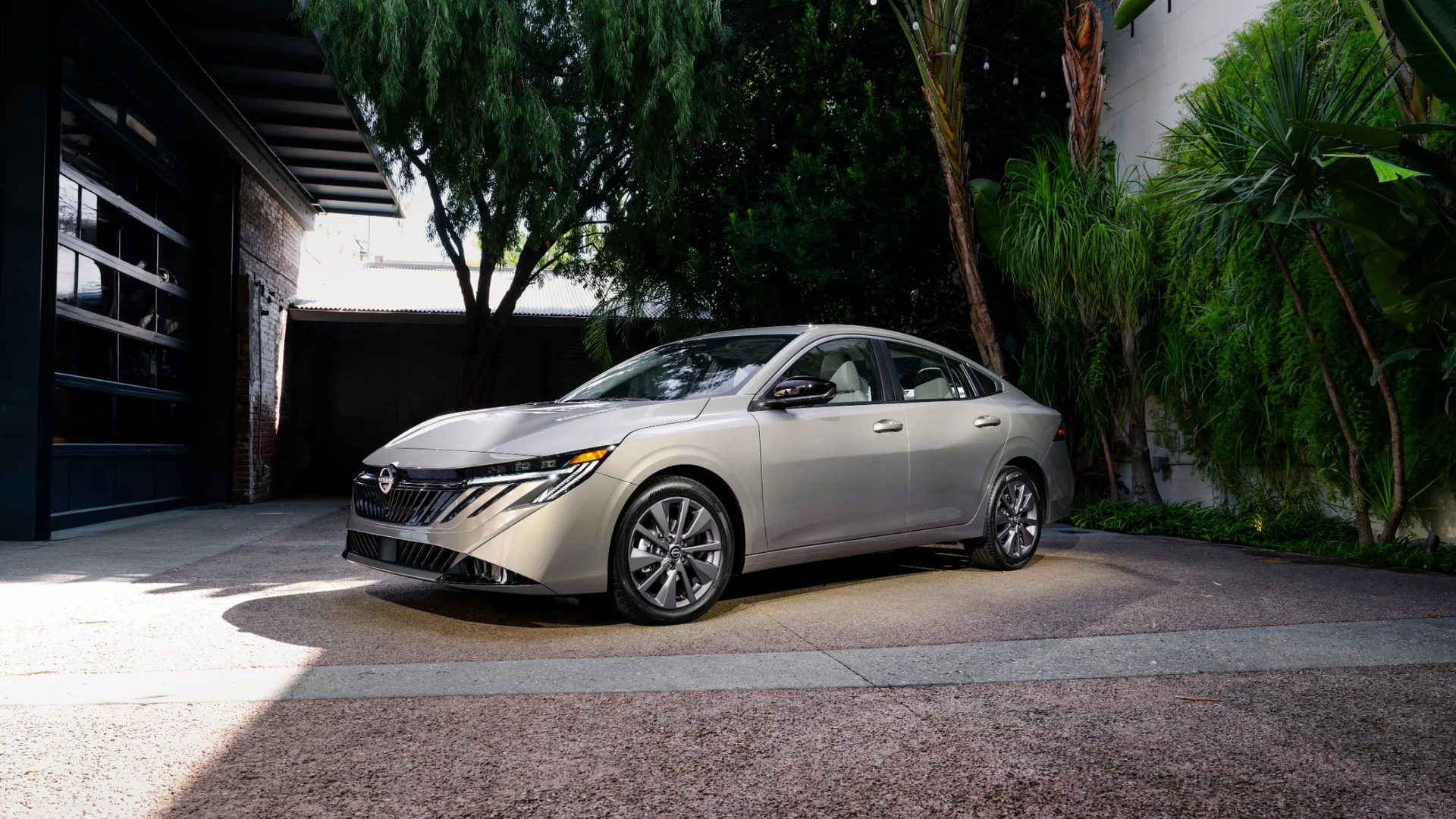
Choosing a compact sedan often comes down to the small moments repeated every day. Drivers near Newark, NJ, need a vehicle that feels comfortable in traffic, fits crowded streets, and handles highway travel without creating extra strain. The 2025 Nissan Sentra® and Toyota Corolla approach that assignment with practical proportions, familiar controls, and an emphasis on everyday transportation. Their similar missions make the decision highly personal because the stronger fit depends on cabin comfort, driving feel, and daily routines. The 2025 Nissan Sentra® places particular emphasis on passenger space, accessible technology, and standard driver-assistance features that can ease demanding commutes.
Daily Miles Shape The Decision
Compact sedans earn their place by making routine travel feel manageable. A weekday might begin with a drive through Hillside, continue through busy Newark intersections, and finish with errands that require careful parking. Both the 2025 Nissan Sentra® and Toyota Corolla suit this varied schedule with familiar sedan proportions and approachable road manners. Their differences become clearer after considering how the driver settles into the seat, how naturally each car responds, and how much effort each trip requires. Someone who spends an hour commuting may have different priorities from a driver who mainly handles short neighborhood journeys.
Calm Power For Crowded Roads
The 2025 Nissan Sentra® uses a 2.0-liter four-cylinder engine that produces 149 horsepower and 146 pound-feet of torque. Those figures translate into measured, predictable acceleration instead of an overly sharp response that could become tiring in stop-and-go traffic. Its Xtronic transmission manages power without asking the driver to think about gear changes during a crowded commute. The Front-Wheel Drive layout also provides a familiar experience for motorists traveling on paved roads through changing New Jersey conditions. Idle Stop and Start can switch off the engine during certain stops, supporting efficient operation on routes filled with traffic lights.
The Toyota Corolla approaches the same assignment with the easygoing character expected from a compact commuter. Many shoppers consider it because its size and sedan layout suit work trips, school runs, errands, and weekend travel. During a test drive, the most useful comparisons involve throttle response, road noise, steering effort, and low-speed behavior. Specifications can describe output, but they cannot fully communicate how smoothly a car leaves a traffic light or enters a fast-moving lane. Drivers should also notice how quickly they become comfortable judging the corners and maintaining a steady pace.
Efficiency That Supports Busy Weeks
Fuel economy matters because compact sedans often accumulate miles through obligations rather than memorable road trips. The 2025 Nissan Sentra® S and SV have EPA estimates of 30 mpg in the city, 40 mpg on the highway, and 34 mpg combined. The 2025 Nissan Sentra® SR has estimates of 30 mpg in the city, 38 mpg on the highway, and 33 mpg combined. In practical terms, those ratings support commuting, grocery runs, school pickups, and trips across North Jersey without turning every outing into a fuel-planning exercise. A 12.4-gallon fuel tank provides useful capacity for weeks that combine local streets with longer highway journeys.
The Toyota Corolla belongs in this conversation because it also serves drivers seeking efficient daily transportation. Still, fuel use should be considered alongside the complete ownership routine instead of becoming the only deciding factor. A driver who regularly carries passengers may place greater importance on rear-seat comfort, while a solo commuter may prioritize highway behavior and control placement. Traffic conditions, trip length, weather, and driving habits also influence the efficiency experienced outside standardized testing. Comparing both cars on a familiar route can show how naturally each encourages smooth acceleration and steady cruising.
Disclaimer: *2026 EPA Fuel Economy Estimates. 30 City MPG / 38 Highway MPG / and 33 Combined MPG for Sentra® S and SV. 29 City MPG / 36 Highway MPG / and 32 Combined MPG for Sentra SR and SL. Actual mileage may vary with driving conditions. Use for comparison only.
Comfort Settles Into The Routine
A commuter car becomes a personal space between home, work, appointments, and evening plans. Seat position, outward visibility, climate control, and storage can affect the driver’s mood before the destination appears. The 2025 Nissan Sentra® and Toyota Corolla both fit shoppers who prefer the lower seating position and tidy profile of a traditional sedan. Similar exterior formats, however, can create noticeably different experiences once passengers settle inside. Buyers should consider how the front seat feels after forty minutes in traffic, not only during a brief showroom visit.
Space That Welcomes Daily Passengers
The 2025 Nissan Sentra® offers seating for five and provides 96.1 cubic feet of passenger volume. Front occupants receive 43.8 inches of legroom, giving the driver and passenger useful space to establish relaxed seating positions. Rear legroom measures 34.9 inches, which matters when coworkers, teenagers, relatives, or friends frequently occupy the second row. The rear seat has a 60/40-split fold-down design, allowing the passenger compartment and trunk to work together when cargo has an awkward shape.
The Toyota Corolla remains a sensible alternative for shoppers who want compact exterior dimensions and a conventional four-door cabin. A side-by-side evaluation offers the clearest way to judge passenger comfort because body proportions and seating preferences vary among drivers. Taller shoppers should set each front seat naturally before checking the room left for rear passengers. Families may also want to examine door openings, child-seat access, and the ease of reaching items placed on the rear floor. Even cupholder placement and small storage areas can become important after months of commuting.
Small Conveniences Reduce Daily Friction
Every 2025 Nissan Sentra® includes power windows, power door locks, Remote Keyless Entry, Push Button Ignition, a sliding center armrest, front door pockets, and a RearView Monitor. These features address small actions repeated so frequently that even a minor inconvenience becomes noticeable. The 2025 Nissan Sentra® SV and SR add Nissan Intelligent Key™ functionality, helping simplify entry when the key stays inside a pocket or bag. Available heated front seats, a heated steering wheel, heated exterior mirrors, and remote engine start can bring welcome comfort during colder New Jersey mornings. Dual Zone Automatic Temperature Control is available on the SV and standard on the SR, giving front occupants greater control over their preferred settings.
The Toyota Corolla should be evaluated through the same practical lens because trim selection can meaningfully change the cabin experience. A feature that seems optional during mild weather may feel considerably more valuable after several cold morning commutes. Drivers should compare the reach and logic of frequently used controls, including climate settings, audio functions, and steering-wheel switches. They should also pay attention to visibility when leaving a driveway or entering a street lined with parked vehicles.
Technology Keeps The Commute Connected
Useful cabin technology should make information easier to reach without dominating the drive. Compact-sedan shoppers often want straightforward smartphone integration, clear displays, and convenient charging access for the devices organizing their schedules. Both the 2025 Nissan Sentra® and Toyota Corolla recognize that modern commuting often includes navigation, calls, podcasts, and carefully chosen playlists. The important distinction lies in how naturally those functions fit into the driver’s established routine. Screen size alone does not determine usability because menu design, physical controls, and display placement also shape the experience.
Familiar Connections Keep Life Moving
Apple CarPlay® and Android Auto™ are standard across the 2025 Nissan Sentra® lineup. The 2025 Nissan Sentra® S uses a 7-inch color touch-screen display, while SV and SR models provide an 8-inch display. Bluetooth® hands-free phone capability, streaming audio, a 12-volt power outlet, and steering-wheel audio switches further support familiar cabin routines. The S provides one front USB Type A connection, while SV and SR models include front Type A and Type C ports plus a rear charge-only Type A port. Those connections can keep a phone powered during navigation while giving another occupant access to a separate charging point.
Toyota Corolla shoppers should complete the same phone-connection exercise before deciding. A system may look polished while the vehicle remains parked, yet its real test comes when the driver needs directions or an audio adjustment in traffic. Screen response, voice-command behavior, and physical-button placement can affect how confidently the technology works while the car is moving. Drivers who regularly carry passengers should also consider charging access beyond the front row. Music listeners may want to compare sound quality at city and highway speeds because surrounding noise can influence the listening experience.
Driver Assistance Adds Everyday Awareness
The 2025 Nissan Sentra® includes a broad collection of standard driver-assistance systems across the S, SV, and SR trims. Automatic Emergency Braking with Pedestrian Detection, Intelligent Forward Collision Warning, Blind Spot Warning, Rear Cross Traffic Alert, Rear Automatic Braking, and Lane Departure Warning are all standard. These systems do not replace attentive driving, but they can provide additional information when traffic patterns change quickly. Blind Spot Warning can assist on multi-lane roads, while Rear Cross Traffic Alert can help when backing from a space with limited side visibility. Lane Departure Warning uses haptic steering-wheel feedback, communicating through touch rather than relying solely on another cabin sound.
A comparison with the Toyota Corolla should include close attention to the assistance features provided by the specific model under consideration. Drivers should notice how warnings appear, how easily settings can be understood, and how naturally the technology blends into normal travel. Some motorists prefer prominent alerts, while others respond better to subtler feedback that preserves a calmer cabin atmosphere. Parking exercises can also reveal how camera views, mirrors, and rearward visibility work together.
Ownership Fits Different Personalities
The final decision between the 2025 Nissan Sentra® and Toyota Corolla involves factors beyond commuting statistics. Each vehicle becomes part of the owner’s driveway, weekend plans, passenger routine, and personal sense of style. Some buyers want the simplest path to comfortable transportation, while others care deeply about wheel design, interior materials, lighting, and trim-specific details. The 2025 Nissan Sentra® lineup offers several distinct personalities without abandoning its practical compact-sedan foundation. The Toyota Corolla presents another interpretation of the same daily mission, making it a relevant consideration for careful shoppers.
2025 Nissan Sentra® Trims Match Different Priorities
The 2025 Nissan Sentra® S establishes the foundation with 16-inch wheels, a 7-inch touch-screen display, smartphone integration, and the complete group of standard driver-assistance features. The SV adds convenience through 16-inch aluminum-alloy wheels, an 8-inch touch-screen display, Intelligent Cruise Control, and Nissan Intelligent Key™. Available SV equipment can add heated features, upgraded seating appointments, a moonroof, an Intelligent Around View® Monitor, and a Bose® Premium Audio System. The SR introduces a sportier visual character with 18-inch aluminum-alloy wheels, LED headlights, lower body side-sill extensions, a rear spoiler, and red badging. It also includes heated front seats, Dual Zone Automatic Temperature Control, remote engine start, and sport cloth with orange stitching.
The Toyota Corolla may suit drivers who prefer its design language, cabin arrangement, and road feel. That preference matters because a vehicle used daily should create a sense of ease before the trip begins. Shoppers should sit in both cars, adjust every commonly used control, check each mirror, and drive beyond a quiet side street. A brief highway segment can reveal noise levels and lane stability, while an urban route can expose steering effort and low-speed response.
The Stronger Fit Reveals Itself
The 2025 Nissan Sentra® makes a compelling case for commuters who value generous front legroom, useful cargo flexibility, approachable connectivity, and standard driver-assistance technologies. Its 14.3-cubic-foot trunk supports grocery runs, luggage, work equipment, and the ordinary cargo gathered during a full week. Available comfort features help prepare the cabin for colder mornings, while three trim levels accommodate different ownership priorities. The Toyota Corolla remains a natural comparison for drivers seeking another familiar compact sedan with a practical daily focus.
Drivers ready to experience the 2025 Nissan Sentra® can visit our team at Empire Nissan of Hillside near Newark, NJ. We can help shoppers compare 2025 Nissan Sentra® trims and identify the equipment that supports their commuting habits, passenger needs, and weekend plans. A test drive provides time to assess the seating position, try the connectivity features, and experience the 2025 Nissan Sentra® on the road. Visitors can also examine the cabin and trunk in person before deciding how well the sedan fits their routine. Schedule a test drive at our location and see how naturally the 2025 Nissan Sentra® can handle the daily miles ahead.
Check our Research Page for more information
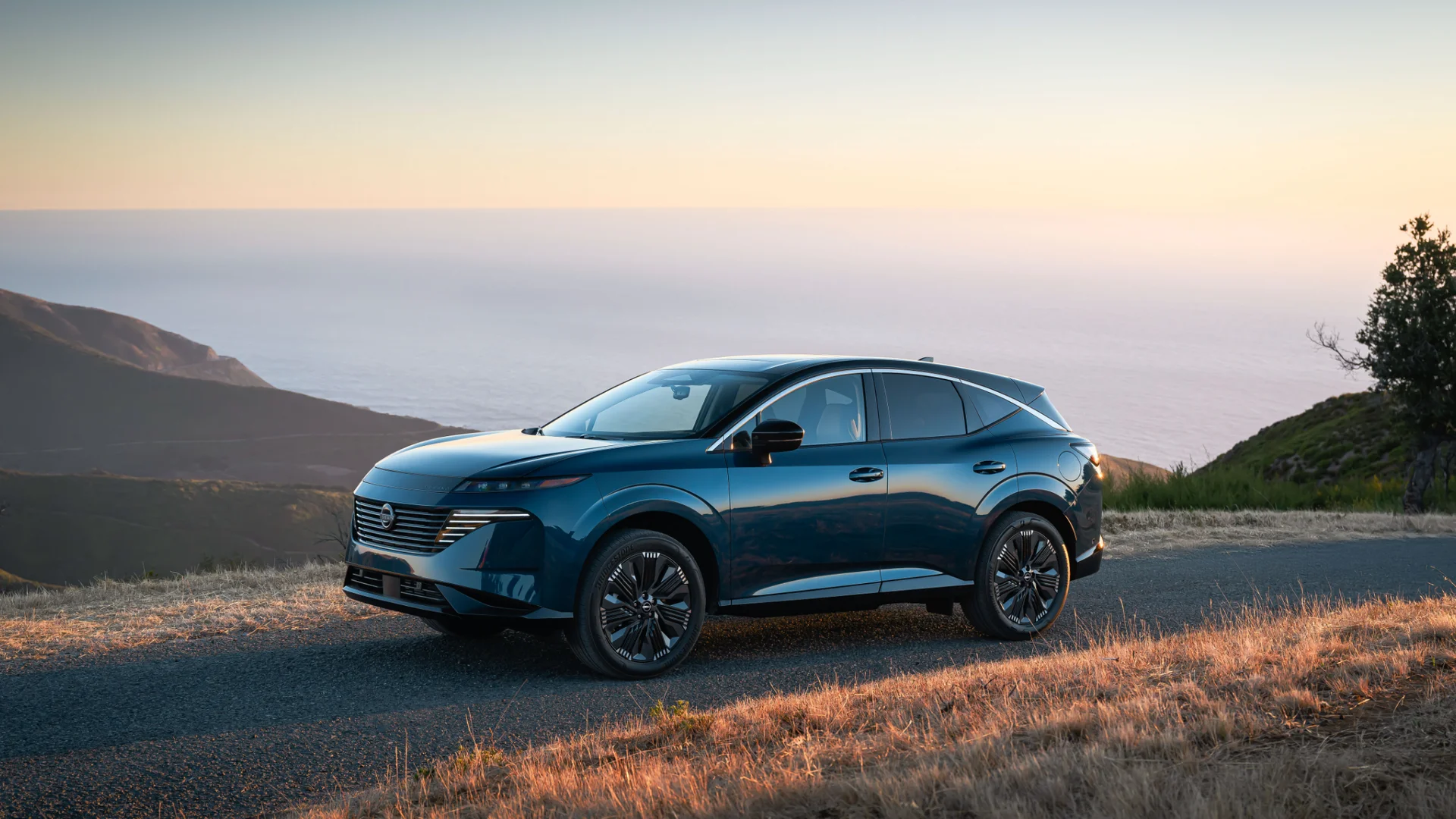
The 2026 Nissan Murano® brings a useful kind of energy to daily driving near Newark, New Jersey. Its turbocharged 2.0-liter four-cylinder engine produces 241 horsepower and 260 lb-ft of torque, while a 9-speed automatic transmission manages that output across changing road conditions. Those figures matter because they shape familiar moments, including joining a busy highway, leaving a crowded intersection, and maintaining momentum during a weekend trip. Standard Intelligent All-Wheel Drive adds reassurance when rain, winter weather, or uneven pavement affects the route. Inside, seating for five and a flexible cargo area provide the practicality expected from a midsize crossover.
Smooth Power For Everyday Momentum
The relationship between the engine and transmission influences nearly every mile in the 2026 Nissan Murano® near Newark, NJ. Horsepower may attract initial attention, but the way that power reaches the road determines how comfortable and natural the vehicle feels. The 2026 Nissan Murano® pairs its 241 horsepower with a 9-speed automatic transmission that selects an appropriate ratio as speed and driving conditions change. This arrangement gives the engine room to respond during acceleration while supporting relaxed progress once the vehicle settles into a steady pace.
Turbocharged Response That Feels Natural
The 2026 Nissan Murano® turbocharged engine produces 260 lb-ft of torque at 4,400 rpm, giving the driver useful pulling power for everyday acceleration. Torque is the force that helps a vehicle begin moving and gather speed, so it becomes noticeable when leaving an intersection or merging into flowing traffic. A firm press of the accelerator produces purposeful movement without requiring the driver to monitor engine speed or select gears manually. That accessible strength can make a full cabin feel easier to manage when passengers, groceries, or travel bags add weight.
Nine Speeds Keep Progress Settled
A 9-speed automatic transmission provides multiple ratios that help the 2026 Nissan Murano® respond across a wide range of road speeds. Lower gears support acceleration from a stop, while higher gears allow the engine to settle during sustained travel. The shifts happen automatically, leaving the driver free to focus on surrounding traffic, lane placement, and the road ahead. This is especially helpful during a commute that moves between local streets and highway sections within a short distance. Once the 2026 Nissan Murano® reaches cruising speed, the upper ratios help reduce the sense that the engine is working harder than necessary.
Confidence Through Changing Road Conditions
Power becomes easier to appreciate when the vehicle also feels predictable beneath the driver. Every 2026 Nissan Murano® comes with Intelligent All-Wheel Drive, creating a capable foundation for varied weather and pavement conditions. Its independent front strut and rear multi-link suspension help each end of the vehicle respond to road movement with control. Electric power-assisted steering provides manageable effort for parking and low-speed maneuvering. Ventilated disc brakes at all four wheels support consistent stopping performance.
All-Wheel Drive Adds Everyday Reassurance
Intelligent All-Wheel Drive can provide added traction when the road becomes wet, slippery, or inconsistent. The benefit is easy to appreciate during a rainy commute, when painted lane markings, standing water, and polished intersections may reduce confidence. The system works within the normal driving experience instead of asking the driver to manage every change manually. That approach allows greater attention to remain on smooth steering, measured accelerator input, and surrounding traffic. A drive mode selector gives the driver another way to match vehicle behavior with the journey. A slow trip through a crowded neighborhood calls for different responses than a clear highway entrance or a winter morning.
Composure Makes Busy Roads Easier
Independent suspension at all four wheels helps the 2026 Nissan Murano® respond to bumps without forcing the entire body to react as one rigid unit. That matters on urban pavement marked by utility covers, patched sections, and expansion joints. The suspension can manage these disturbances while helping the cabin remain settled for passengers. Ventilated front and rear disc brakes work with anti-lock braking, Brake Assist, and Electronic Brake Force Distribution to support controlled deceleration. An electric parking brake with auto hold can also reduce effort during repeated stops.
Comfort That Changes The Commute
A responsive powertrain can improve the start of a journey, but the cabin determines how occupants feel when they arrive. The 2026 Nissan Murano® seats five and gives both rows useful space for regular travel. Front-row legroom measures 44.3 inches, while the second row provides 36.3 inches of legroom. Dual-zone automatic temperature control lets the driver and front passenger choose individual comfort settings. Active Noise Cancellation and Active Sound Control contribute to a calmer cabin environment.
Seating Supports Longer Days Out
Every 2026 Nissan Murano® includes an eight-way power driver’s seat and a six-way power front-passenger seat, giving both occupants useful adjustment before the journey begins. Heated front seats are standard and can bring welcome warmth during cold mornings near Newark. Available cooled and massaging front seats expand that comfort for drivers who spend longer periods behind the wheel. The massage function can feel especially welcome after a demanding workday or during an extended road trip. Second-row passengers receive a fold-flat 60/40 split bench with a center armrest and cup holders. Available heated outboard rear seats add another layer of comfort during winter travel.
Connected Features Fit Daily Routines
Two 12.3-inch displays place driving information and connected features within a broad digital layout. The center display includes multi-touch control, while the reconfigurable instrument display keeps important vehicle information directly ahead of the driver. Wireless Apple CarPlay® and wireless Android Auto™ reduce the need to connect a cable during every trip. A wireless phone charger and four USB Type-C ports help support personal devices throughout both rows. Remote Keyless Entry includes approach unlock and walk-away lock, allowing the 2026 Nissan Murano® to respond naturally as the driver arrives or leaves. Nissan Intelligent Key™ and push-button ignition simplify the start of a trip when hands are occupied with bags or coffee.
Support That Reduces Driving Strain
The 2026 Nissan Murano® technology extends beyond entertainment and device connectivity. Standard driver-assistance features help support awareness during highway travel, crowded commutes, and low-speed maneuvering. These systems do not replace attentive driving, but they can reduce some of the repetitive workload associated with daily traffic. Their value becomes clearer during longer trips or stop-and-go conditions that require sustained concentration. The 2026 Nissan Murano® integrates this support into a cabin that remains approachable rather than visually overwhelming.
Highway Assistance Eases Repetitive Travel
Standard ProPILOT Assist can support the driver during suitable road conditions, while Intelligent Cruise Control helps manage following speed. These features can be useful on highways where traffic repeatedly accelerates, settles, and slows again. Instead of removing the driver from the experience, they assist with tasks that often become tiring over time. Traffic Sign Recognition can also help keep posted road information visible within the driving environment. Intelligent Driver Alertness monitors patterns that may indicate reduced attention and can prompt the driver when appropriate. An available ProPILOT Assist 2.1 system expands the range of assistance on the Platinum trim.
Awareness Extends Around The Vehicle
The 2026 Nissan Murano® includes Blind Spot Warning, Blind Spot Intervention, Rear Cross Traffic Alert, and Lane Departure Warning across the lineup. Lane Keep Assist and Intelligent Lane Intervention add support when the vehicle begins moving away from its intended path. Intelligent Forward Collision Warning and Automatic Emergency Braking with Obstruction Detection help monitor conditions ahead. Rear Automatic Braking adds assistance when reversing near a detected obstacle. The SV includes a RearView Monitor, while the SL and Platinum feature an HD Intelligent Around View® Monitor with Moving Object Detection. An available 3D Around View Monitor can provide full rotation around the vehicle on the Platinum trim.
Space For Plans Beyond Newark
The 2026 Nissan Murano® lifestyle value becomes clearer when the day involves cargo as well as passengers. It provides 32.9 cubic feet of storage behind the second row, giving routine errands room to grow into larger plans. Folding the rear seat expands cargo capacity to 63.5 cubic feet. The cargo floor can then accommodate longer or bulkier belongings that would not fit behind an upright second row.
Flexible Cargo Handles Changing Plans
A 60/40 split rear seat gives owners useful choices when people and cargo need to travel together. One section can remain upright for a passenger while the other folds to accommodate longer objects. Folding both sections creates up to 72.2 inches of cargo length behind the front row. That space can help with flat-packed purchases, recreational equipment, luggage, or supplies for a household project. The available motion-activated power liftgate can make access easier when both hands are carrying bags. A cargo liftover height of 31.6 inches also provides helpful context for loading heavier or less flexible items.
Refined Design Complements Practical Use
The 2026 Nissan Murano® exterior proportions give it a noticeable presence without sacrificing everyday usability. Standard 20-inch aluminum-alloy wheels create a confident stance, while the Platinum trim uses 21-inch aluminum-alloy wheels for a distinct appearance. LED headlights, LED daytime running lights, and full-width LED taillights contribute to its contemporary design. A laminated, UV-reducing windshield and rear privacy glass add functional value to the exterior. The SL and Platinum trims include a panoramic moonroof with a powered shade, bringing additional daylight into the cabin when desired.
Trim choices allow buyers to decide how much comfort and technology they want around the standard powertrain. The SV provides heated front seats, the dual-display layout, Intelligent All-Wheel Drive, and the complete 241-horsepower foundation. The SL adds Google built-in, Bose® Premium Series audio, ambient lighting, acoustic front-door glass, and the panoramic moonroof. The Platinum introduces semi-aniline leather-appointed seating, cooled and massaging front seats, heated rear outboard seats, and a head-up display.
Drivers interested in the 2026 Nissan Murano® can visit Empire Nissan of Hillside near Newark, NJ, to experience its power, comfort, and everyday flexibility in person. Our team can help guests compare trims and identify the features that fit their driving habits. A scheduled test drive provides the clearest sense of how 241 horsepower and the 9-speed automatic transmission work together on familiar roads. Visitors can also examine the seating, digital displays, driver-assistance features, and adaptable cargo area at their own pace. Contact our dealership or stop by our location near Newark to spend time behind the wheel of the new 2026 Nissan Murano®.
Check our Research Page for more information
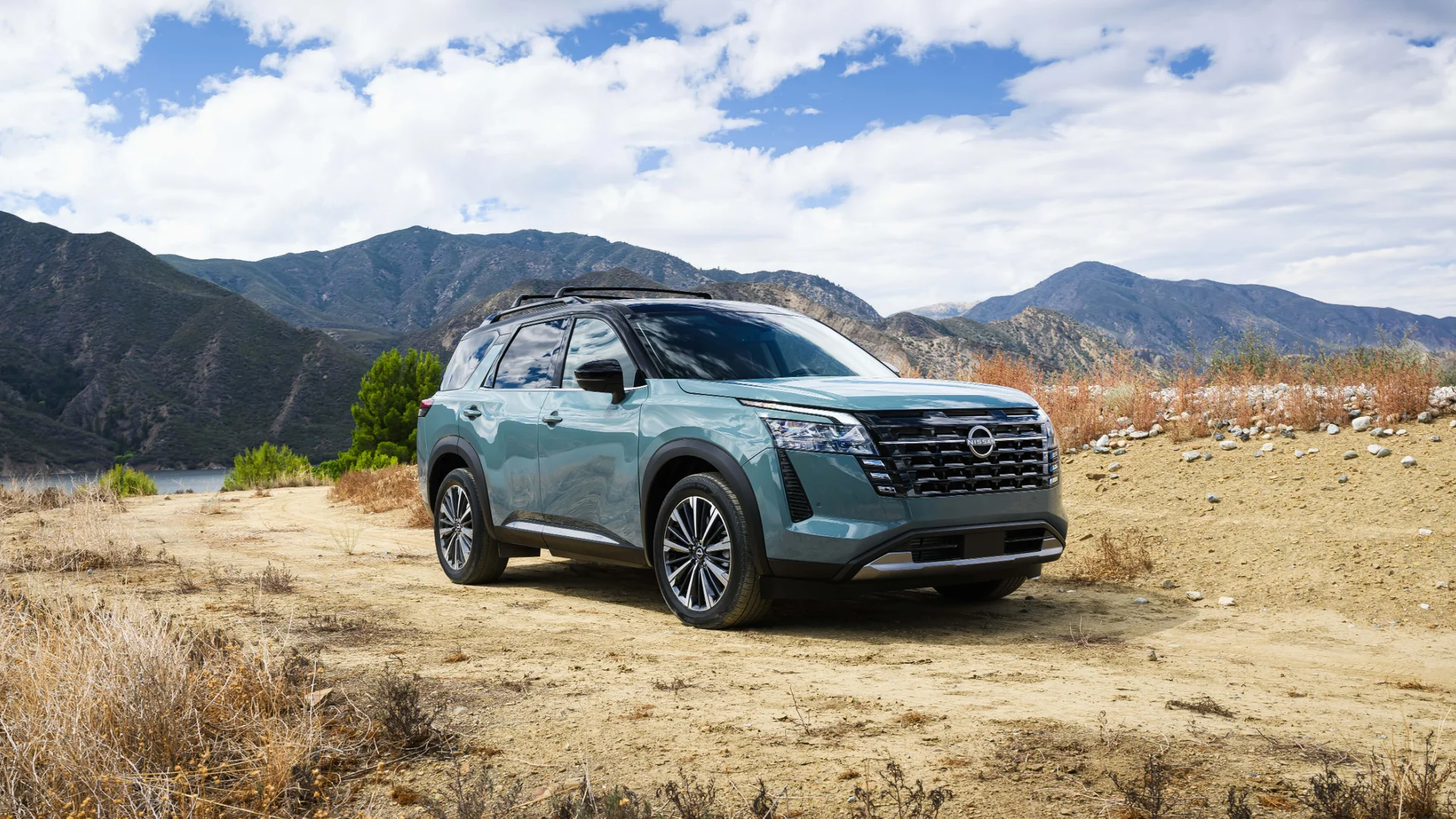
Choosing a three-row SUV often begins with counting seats, but family fit involves much more than the maximum passenger number. Family seating guidance for 2026 Nissan Pathfinder® buyers near Newark, NJ, should account for child-seat placement, third-row access, passenger comfort, cargo room, and the ways a cabin must adapt throughout the week. Some households regularly need eight seats for school carpools and extended family, while others prefer a seven-passenger configuration with separate second-row captain’s chairs. The 2026 Nissan Pathfinder® supports both approaches and adds practical features for daily travel through Newark, Hillside, and surrounding North Jersey communities. Its split-folding seats, storage spaces, climate controls, charging connections, and available passenger amenities can make changing routines easier to manage. The right configuration ultimately depends on who rides most often, where everyone sits, and what the family carries.
Seating capacity and everyday passenger access
The first stage of the buying process involves deciding how many seats the household needs and how passengers will reach them. The 2026 Nissan Pathfinder® offers two seating arrangements, and each supports a different family routine. Maximum capacity may be the priority for frequent carpools, while individual second-row seats may appeal to families that usually travel with fewer passengers. Third-row access and child-restraint placement can also influence which arrangement works better.
How many passengers can the 2026 Nissan Pathfinder® carry?
The 2026 Nissan Pathfinder® provides standard seating for eight passengers with a three-person second-row bench. An available seven-passenger configuration replaces that bench with two second-row captain’s chairs. Rock Creek, SL, and Platinum models can be equipped with the seven-seat arrangement through applicable packages or equipment selections. Both layouts retain a third row, so families can choose between maximum capacity and a more separated second-row experience. The eight-passenger configuration may suit larger households, school carpools, and families that frequently include relatives or friends. The seven-passenger layout can work well when two people usually occupy the second row and the household values individual chairs with attached armrests.
Is a second-row bench or captain’s chairs better for family use?
The second-row bench is the more practical arrangement when eight-passenger capacity is a regular need. Its 60/40 split design allows sections of the seat to fold flat when additional cargo room becomes necessary. Available captain’s chairs reduce capacity by one passenger but provide separate seating positions that may feel less crowded during longer drives. They can also help create clearer personal space between children who prefer their own seats and armrests. Child-seat placement deserves careful consideration because the bench and captain’s chair layouts organize the second row differently. The 2026 Nissan Pathfinder® provides LATCH lower anchors in the second-row outboard and center positions, along with another lower-anchor position on the third-row driver’s side.
How easy is it for passengers to reach the third row?
The Nissan EZ Flex® Seating System includes LATCH AND GLIDE® tip-up technology to support access to the third row. Second-row seats also slide fore and aft and include manual reclining adjustments. These functions allow families to create an entry opening and balance available space between the rear rows. Ease of access can still vary according to passenger age, mobility, child-seat placement, and the position of the second-row seats. Younger passengers may climb into the back independently, while adults may need more room when helping children buckle their restraints. Available second-row captain’s chairs create separate seating positions, but an available or standard removable center console can affect movement through the middle.
Passenger comfort and flexible cabin space
After selecting a seating arrangement, buyers can focus on the way the cabin accommodates people and belongings. A family vehicle may carry a full passenger load one day and a mix of passengers, groceries, sports equipment, or luggage the next. Comfort features matter during both short local trips and longer drives beyond North Jersey. Storage and charging access also become increasingly important when several people travel together. The 2026 Nissan Pathfinder® addresses these needs with adaptable seating, multiple climate zones, useful storage areas, and trim-dependent passenger amenities.
Is the third row suitable for regular family travel?
The third row offers 37.8 inches of headroom, 28.0 inches of legroom, and 58.4 inches of shoulder room. Those dimensions make it important for buyers to consider the height and age of the passengers who will use the space most frequently. Children and smaller teenagers may find the row suitable for regular trips, while taller adults may prefer the first or second row during extended travel. The seat includes manual reclining capability, which allows rear occupants to adjust their position. A 60/40 split fold-flat design also lets the family preserve one side for a passenger while using the other for cargo. Second-row passengers can slide their seats forward or backward to adjust the distribution of legroom between the two rear rows.
Which cabin features can make longer trips more comfortable?
Tri-Zone Automatic Climate Control is standard across the 2026 Nissan Pathfinder® lineup and helps manage comfort throughout the three-row cabin. Heated front seats are standard on SV, Rock Creek, and SL, while Platinum provides heated and cooled front seats. Heated second-row outboard seats are available on SL and standard on Platinum. Available second-row manual sunshades can reduce direct sunlight for rear passengers, and they are standard on Platinum. Buyers can also choose an available panoramic moonroof on several trims, while Platinum includes it as standard equipment. Seating materials range from cloth on S and SV to leatherette-appointed seating with unique cloth inserts on Rock Creek, TailorFit™ appointments on SL, and semi-aniline leather appointments on Platinum.
How much cargo space is available with the seats in use?
The 2026 Nissan Pathfinder® provides 16.6 cubic feet of cargo volume behind the third row when all seating rows remain available. Folding the third row expands the cargo area to 45.0 cubic feet behind the second row. With both rear rows folded, capacity reaches 80.5 cubic feet behind the first row. The cargo floor provides 48.8 inches of width between the wheelhouses, and the maximum cargo length from the first row to the back door is 79.8 inches. The split-folding third row allows one section to remain upright for a passenger while the other accommodates longer or bulkier items. An underfloor luggage box with a hinged lid provides 54.1 liters of concealed storage, and four side-mounted tie-down hooks sit behind the third row.
Driving capability and ownership care
Once the cabin meets the family’s needs, the next questions involve driving conditions and continued upkeep. Families near Newark may spend most of their time on paved commuter routes but still encounter winter roads, weekend travel, or occasional towing needs. The 2026 Nissan Pathfinder® offers Front-Wheel Drive and Intelligent 4×4 configurations to address different driving patterns. Its V6 engine and nine-speed automatic transmission provide consistent mechanical foundations across the lineup, with specialized tuning for Rock Creek. Routine care should reflect the vehicle’s actual use and installed equipment.
Is Front-Wheel Drive or Intelligent 4×4 a better fit near Newark?
Front-Wheel Drive may suit households whose travel centers on paved streets, commuting, school runs, and ordinary regional trips. These models include a five-position Drive Mode Selector that allows the driver to choose settings for different situations. 2026 Nissan Pathfinder® models with Intelligent 4×4 receive a seven-position Drive and Terrain Mode Selector and include Hill Descent Control. That configuration may appeal to families anticipating winter conditions, changing road surfaces, or frequent travel outside urban areas. Both drivetrains use a 3.5-liter V6 and a nine-speed automatic transmission with manual shift mode and paddle shifters. S, SV, SL, and Platinum models produce 284 horsepower and 259 pound-feet of torque, while Rock Creek produces 295 horsepower and 270 pound-feet of torque.
What ownership needs should families consider before choosing a 2026 Nissan Pathfinder®?
Ongoing ownership planning should begin with the family’s driving pattern and the equipment on the selected vehicle. Frequent short trips, extended highway travel, towing, and travel on challenging surfaces can place different demands on routine service. Owners should follow the maintenance information provided for their exact 2026 Nissan Pathfinder® configuration and monitor dashboard alerts rather than relying on a general schedule from another model. Tire care is especially relevant because the lineup includes different wheel and tire combinations, including all-terrain tires on Rock Creek. The Tire Pressure Monitoring System with Easy-Fill Tire Alert can assist with pressure management, but regular visual inspections remain useful. Families planning to tow should also confirm that their vehicle has the required hitch, harness, and enhanced transmission cooling for the intended capacity.
Safety features and final trim selection
The final stage of the buyer journey brings safety equipment, technology, and trim suitability together. A seating layout must work with child restraints, passenger habits, and the driver’s preferred assistance features. Higher trims add comfort and convenience equipment, but the standard 2026 Nissan Pathfinder® already includes a broad group of family-relevant systems. The most suitable version depends on how the vehicle will be used rather than on selecting the longest equipment list.
Which 2026 Nissan Pathfinder® safety features support family driving?
Every 2026 Nissan Pathfinder® includes Automatic Emergency Braking with Pedestrian Detection, Blind Spot Warning, Rear Cross Traffic Alert, Rear Automatic Braking, and Lane Departure Warning. Intelligent Forward Collision Warning and Junction Assist are also standard across the lineup. SV, Rock Creek, SL, and Platinum add Intelligent Blind Spot Intervention, Intelligent Lane Intervention, and ProPILOT Assist. Traffic Sign Recognition is included on SL and Platinum. The passenger protection system includes roof-mounted curtain side-impact supplemental air bags with rollover sensors for outboard head protection in all three rows. Second-row side-impact supplemental air bags, rear seat belt reminders, child safety rear door locks, and Rear Door Alert further support family use.
Which 2026 Nissan Pathfinder® trim is most suitable for a family?
The S supports families with standard eight-passenger seating, cloth upholstery, Tri-Zone Automatic Climate Control, and the core group of standard driver-assistance features. SV adds heated front seats, a power driver’s seat, a power liftgate, front sonar, and ProPILOT Assist, along with access to additional optional equipment. Rock Creek may fit households interested in standard Intelligent 4×4, all-terrain tires, off-road-tuned suspension, distinctive interior materials, and standard towing equipment. SL adds TailorFit™-appointed first-row and second-row seating, a heated steering wheel, wireless smartphone charging, a digital meter display, and available second-row comfort features. Platinum includes semi-aniline leather-appointed seating, heated and cooled front seats, heated second-row outboard seats, second-row sunshades, and a motion-activated power liftgate. Families focused on maximum seating may prefer an eight-passenger S or SV, while buyers seeking separate second-row seats can consider applicable Rock Creek, SL, or Platinum configurations.
Empire Nissan of Hillside near Newark, NJ, welcomes 2026 Nissan Pathfinder® shoppers. Our team can help families compare the eight-passenger bench layout with available seven-passenger captain’s chairs. Visitors can also test third-row access, cargo configurations, charging connections, and trim-specific comfort features. Bringing child seats or frequently carried equipment can make the evaluation more useful. Contact our dealership to speak with our team or schedule a visit for a test ride.
Check our Research Page for more information
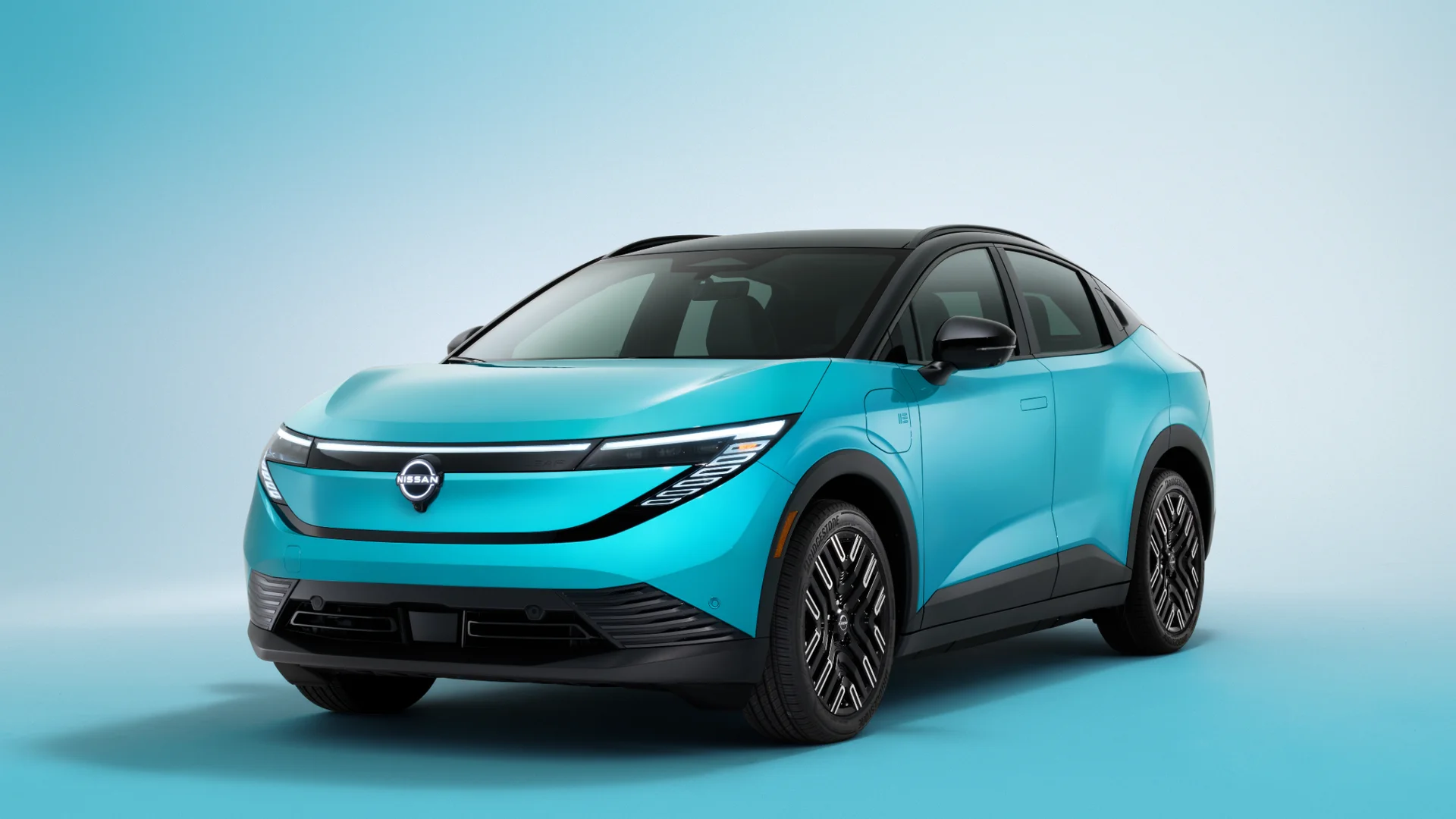
Choosing between the 2026 Nissan LEAF® and Hyundai Kona Electric begins with a simple look at daily routines. Both electric vehicles replace gasoline stops with charging sessions, deliver smooth power without traditional gear changes, and bring a quiet character to familiar roads near Newark, New Jersey. Their personalities, however, point in different directions. The redesigned 2026 Nissan LEAF® takes a streamlined approach to electric mobility, with generous driving range, broad charging compatibility, and practical features intended to simplify ownership. The Hyundai Kona Electric follows a more upright small-SUV formula that may appeal to drivers who prefer conventional crossover proportions and a familiar cabin environment.
Two Electric Paths Through Daily Life
Daily usability determines how naturally an electric vehicle fits an established routine. Newark-area drivers may encounter crowded local streets, highway merges, tight parking areas, and unpredictable traffic during the same trip. Both vehicles answer those conditions with quiet electric propulsion and immediate response from a stop. The 2026 Nissan LEAF® places particular emphasis on efficiency, range, and accessible technology within a compact footprint. The Hyundai Kona Electric counters with the upright seating position and familiar proportions associated with a small crossover.
The 2026 Nissan LEAF® Makes Electric Driving Feel Natural
The 2026 Nissan LEAF® adopts a sleek crossover-style design while preserving the approachable personality associated with the nameplate. Its quiet operation can make early departures feel calmer, especially before traffic thickens around Newark and nearby communities. Pressing the accelerator produces smooth, immediate movement without waiting for an engine to build speed or a transmission to select a lower gear. That responsiveness can feel reassuring when joining Route 22, entering the Garden State Parkway, or moving into an opening in city traffic. Vehicle-speed-sensitive electric power steering adjusts its assistance according to driving conditions, supporting easy maneuvering at lower speeds and a settled feeling as the pace increases. A 35.4-foot turning diameter also helps the 2026 Nissan LEAF® remain manageable in parking structures and compact neighborhood spaces.
Available driving range supports the 2026 Nissan LEAF® as a primary household vehicle instead of limiting it to short local trips. Nissan estimates up to 303 miles of range for the S+ trim, while the SV+ offers an estimated 288 miles and the PLAT+ provides an estimated 259 miles. Those figures give owners room to combine commuting, school pickups, shopping, and evening plans before returning home to charge. Range can still change with traffic, temperature, climate-control use, and driving habits, making thoughtful trip planning valuable during colder New Jersey months. Even with those variables, the available distance can reduce the mental calculations sometimes associated with an electric vehicle that has a smaller battery.
The Hyundai Kona Electric Feels Familiar
The Hyundai Kona Electric takes a recognizable small-SUV shape and pairs it with quiet electric motivation. Its upright profile may appeal to drivers who enjoy sitting higher and having a clear sense of the vehicle’s position in busy surroundings. That seating perspective can be useful when moving among delivery trucks, buses, and closely spaced traffic near Newark. The body style also feels familiar to shoppers moving into an electric vehicle for the first time. Passenger access, cabin organization, and cargo use follow patterns that many crossover owners already understand.
That conventional crossover character gives the Hyundai Kona Electric a different emotional appeal from the smoother and more streamlined 2026 Nissan LEAF®. Drivers who enjoy a slightly taller stance may naturally gravitate toward the Hyundai before comparing individual features. The Hyundai Kona Electric can feel comfortable during grocery runs, neighborhood errands, and short recreational trips that call for a flexible rear cargo area. Its compact exterior also remains useful in areas where larger SUVs can become cumbersome. The resulting experience combines the easy maneuverability of a small vehicle with some of the visual presence associated with an SUV.
Charging That Fits Real Schedules
Charging convenience depends on much more than a battery figure. Owners must consider the equipment available at home, the public connectors found along common routes, and the time required during a longer stop. A suitable setup turns charging into a background routine that happens during dinner, work, or sleep. An inconvenient arrangement can make the same vehicle feel demanding even when its projected range appears sufficient. The 2026 Nissan LEAF® addresses this ownership concern through flexible connection options and useful energy features. The Hyundai Kona Electric offers an established charging experience, but its approach asks buyers to consider the stations they expect to use most frequently.
The 2026 Nissan LEAF® Expands Charging Possibilities
The 2026 Nissan LEAF® includes both a J1772 charging port and a North American Charging Standard port. Having both connections built into the vehicle can simplify the search for compatible equipment during daily travel. The J1772 port supports common home and public AC charging, while the NACS connection expands access to a growing fast-charging network. Plug and Charge capability can further streamline compatible public sessions by reducing the number of separate steps needed to begin charging. Nissan estimates that a quick-charge session can take the battery from 10 percent to 80 percent in approximately 35 minutes under suitable conditions.
A portable 120-volt and 240-volt charging cable also comes standard, giving owners flexibility as they develop a home-charging routine. A 240-volt connection will generally support regular overnight replenishment more effectively than a standard household outlet. The household connection can still provide a useful alternative when faster equipment is unavailable. Charging timers allow the owner to select a preferred charging period, helping the vehicle draw power during a convenient part of the night.
Stored Energy Supports More Activities
The 2026 Nissan LEAF® can also send power outward through its 1,500-watt vehicle-to-load capability. An adapter is required when using the exterior J1772 port, while the PLAT+ includes a vehicle-to-load outlet in the cargo area. This feature can power compatible equipment during a picnic, outdoor gathering, work session, or household interruption. It turns stored battery energy into a practical resource instead of reserving it entirely for transportation. Owners could use it for small electronics, lighting, or other devices that remain within the system’s output limits.
The Hyundai Kona Electric still offers the central convenience of electric ownership, particularly for drivers who can charge at home and begin most mornings with useful battery range. Its established electric-crossover format can work well for predictable commutes and regular local travel. Public charging speed and connector compatibility remain important considerations before making a decision, especially for households that expect to charge frequently away from home. Buyers should map stations near work, shopping destinations, and common weekend routes instead of relying only on a general coverage map. That simple exercise can reveal which vehicle better matches the places an owner actually visits.
Comfort And Space Shape Every Mile
A vehicle’s usefulness becomes clearest when passengers, bags, and daily clutter enter the picture. Compact electric vehicles need enough room for routine needs without becoming difficult to place in traffic or parking spaces. Seat comfort matters during a long commute, but convenient storage and easy cargo access influence every short trip. Climate features also deserve attention because New Jersey weather can shift from humid summer afternoons to cold winter mornings. The 2026 Nissan LEAF® and Hyundai Kona Electric approach these needs through different body shapes and cabin personalities. One feels sleek and technology-led, while the other follows the established expectations of a small SUV.
Flexible Space Adapts To Changing Plans
The 2026 Nissan LEAF® seats five people and includes 60/40-split folding rear seats across the lineup. It provides 20 cubic feet of cargo volume with the second row upright and 55.5 cubic feet when that row is folded. Those measurements translate into useful flexibility for grocery bags, luggage, sports equipment, and larger purchases. The Divide-N-Hide® Cargo System on SV+ and PLAT+ trims helps owners organize smaller items and adapt the cargo floor to different loads. A manual liftgate serves the S+ and SV+, while the PLAT+ adds a motion-activated power liftgate. That top-trim convenience can feel especially useful when both hands are occupied with bags.
The Hyundai Kona Electric’s upright rear profile may appeal to people who frequently carry taller objects or prefer the visual openness of a conventional crossover cargo area. Its shape can make loading feel familiar to shoppers coming from another compact SUV. The 2026 Nissan LEAF®, however, combines practical utility with a flowing exterior that avoids the appearance of a traditional box-shaped crossover. Choosing between them involves more than comparing cargo measurements.
Cabin Technology Supports The Routine
The 2026 Nissan LEAF® S+ uses a 12.3-inch NissanConnect® touchscreen and a matching 12.3-inch Advanced Drive-Assist® Display. SV+ and PLAT+ trims increase both displays to 14.3 inches, creating a broad digital environment that keeps driving and media information easy to scan. Wireless Apple CarPlay® and wireless Android Auto™ come standard, allowing compatible smartphones to connect without adding a cable to the center console. SV+ and PLAT+ models also include Google Assistant, Google Maps, Google Play, and connected navigation features. These systems can reduce friction when selecting music, finding a destination, or checking the remaining trip. The PLAT+ adds a head-up display that places selected information closer to the driver’s normal line of sight.
Comfort equipment expands as shoppers move through the 2026 Nissan LEAF® range. Automatic climate control with rear foot ducting comes standard, while the SV+ and PLAT+ add a heat-pump-based hybrid heater and rear air vents. Heated front seats are included on those two trims, and the PLAT+ adds heated rear seats and a heated steering wheel. The Hyundai Kona Electric may attract drivers who prioritize an upright cabin and traditional crossover visibility, while the 2026 Nissan LEAF® offers a layered technology and comfort experience. Sitting in both vehicles remains important because seat height, sightlines, display placement, and control reach are personal considerations.
Confidence Begins With The Right Fit
The final decision should reflect the situations an owner encounters most often. Commuters need predictable range and an easy charging routine, while active households may place greater value on cargo access and passenger comfort. Drivers who regularly travel beyond Newark may care deeply about connector availability and quick-charge timing. Others may spend nearly all their time close to home and prefer the higher seating perspective of a conventional small SUV. The 2026 Nissan LEAF® and Hyundai Kona Electric both make electric mobility approachable, but they emphasize different kinds of confidence. The stronger choice emerges when the vehicle’s character matches the buyer’s actual habits.
Driver Assistance Eases Busy Travel
The 2026 Nissan LEAF® includes ProPILOT Assist across all three trims. This technology can support the driver with steering and speed assistance during suitable road conditions, while the driver remains responsible for attention and vehicle control. Standard Lane Departure Warning, Lane Departure Prevention, Lane Keep Assist, Blind Spot Warning, and Blind Spot Intervention can provide additional support in dense traffic. Predictive Forward Collision Warning and Automatic Emergency Braking with Pedestrian and Cyclist Detection address hazards that may develop ahead. Rear Cross Traffic Alert can assist when backing out of a crowded parking space. A 3D Intelligent Around View® Monitor, Front Wide View, and Intelligent Hood View further support close-range awareness.
Slow traffic may demand patience and careful lane positioning, while highway travel requires steady attention to surrounding vehicles. Parking lots add pedestrians, carts, and vehicles emerging from obscured spaces. Driver-assistance systems cannot replace observation or sound judgment, but they can provide helpful information during these demanding moments. The Hyundai Kona Electric also competes as a technology-focused electric crossover, so shoppers should compare equipment at the specific trim level they are considering.
Different Personalities Suit Different Owners
The 2026 Nissan LEAF® fits drivers who want strong available range, broad charging compatibility, a streamlined shape, and technology that supports daily travel. Its estimated range of up to 303 miles in S+ form gives it particular relevance for commuters who want breathing room between charging sessions. The available 214-horsepower electric powertrain with 261 pound-feet of torque delivers responsive acceleration without making performance the sole focus of ownership. Practical cargo capacity, five-passenger seating, and vehicle-to-load capability help the 2026 Nissan LEAF® handle duties beyond the commute. Its design feels progressive, yet the controls and ownership features remain approachable.
The Hyundai Kona Electric suits a buyer drawn to upright crossover styling and a familiar small-SUV environment. It may feel immediately comfortable to someone who values a higher visual perspective and recognizable proportions. Its compact dimensions support urban use, while the rear area accommodates the everyday cargo expected from a small crossover. The deciding difference may come down to the 2026 Nissan LEAF® model’s greater emphasis on charging flexibility, available range, and energy-sharing capability. A careful shopper should bring common passengers and frequently carried items into the comparison process.
Drivers ready to experience the 2026 Nissan LEAF® can visit our team at Empire Nissan of Hillside near Newark, NJ. Our team can help shoppers compare the available trims, examine the cabin technology, and consider how charging could fit their normal routine. Seeing the 2026 Nissan LEAF® in person also provides a clearer sense of its seating position, cargo flexibility, visibility, and streamlined design. Schedule a test drive to experience its smooth response and quiet road manners in familiar driving conditions. Our dealership welcomes buyers seeking a thoughtful and pressure-free introduction to everyday electric mobility.
Check our Research Page for more information
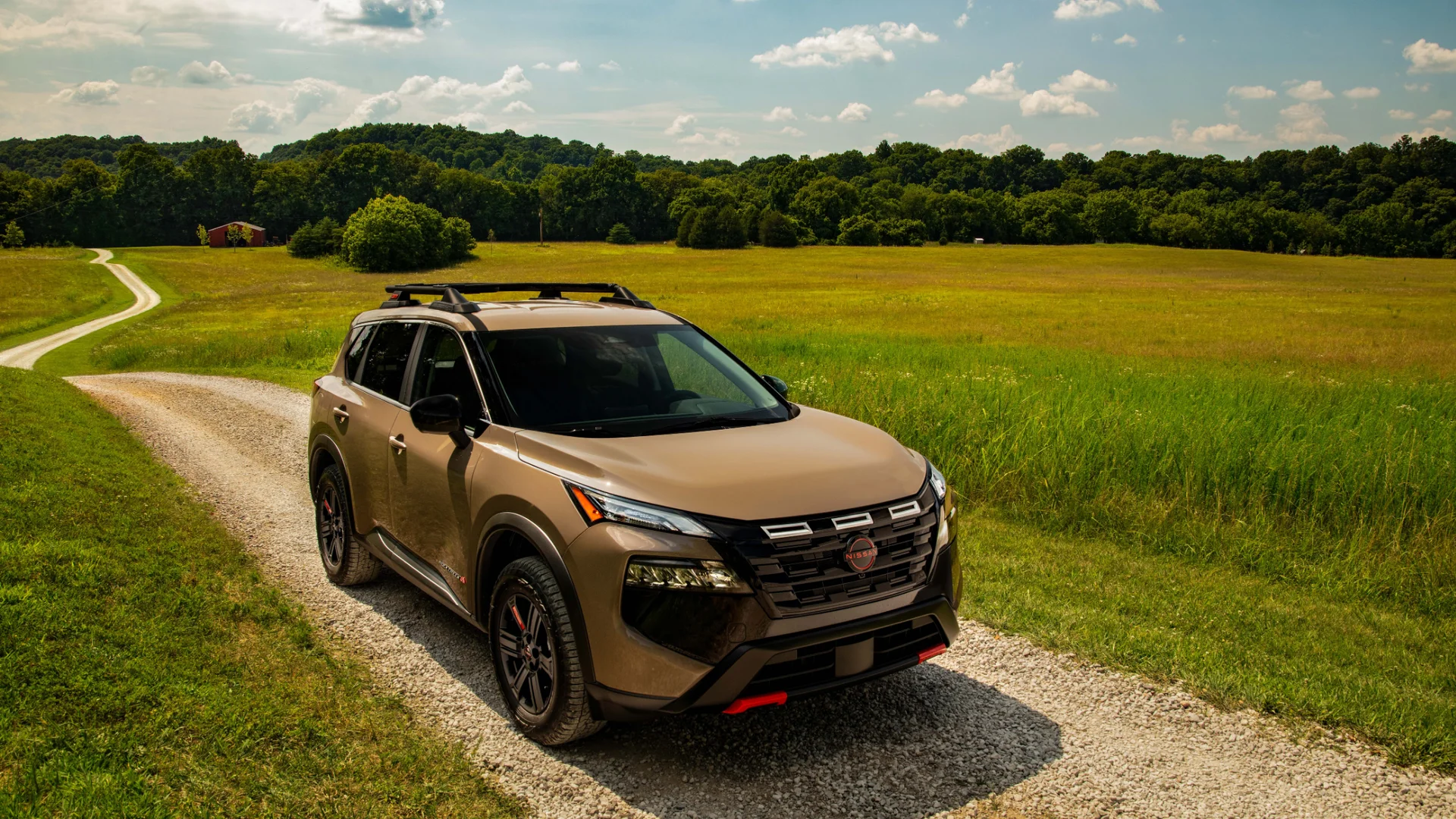
The 2026 Nissan Rogue® brings a practical kind of strength to daily driving near Newark, New Jersey. Its turbocharged 1.5-liter three-cylinder engine produces 225 lb-ft of torque from 2,800 to 4,000 rpm, placing useful pulling power within a range suited to familiar road situations. That output matters when joining highway traffic, climbing a grade with passengers aboard, or leaving a crowded intersection with confidence. Instead of existing only as an impressive number, the torque contributes to a responsive driving character that suits commutes, errands, school runs, and weekend travel. The 2026 Nissan Rogue® complements that performance with five-passenger seating, flexible cargo space, available All-Wheel Drive, and technology designed to simplify time behind the wheel.
Everyday Pull Makes Busy Driving Easier
Torque becomes meaningful when it removes effort from ordinary travel. Newark-area drivers regularly move between neighborhood streets, multilane highways, busy shopping districts, and routes that require quick but controlled acceleration. The 2026 Nissan Rogue® produces its maximum torque across a useful portion of the engine’s operating range, so its strength is available during common driving situations. That responsiveness helps the vehicle feel prepared without requiring the driver to push the engine to unusually high speeds.
Responsive Power For Daily Merging
A highway entrance often reveals more about an engine than a specification sheet can communicate. The driver needs predictable power while watching surrounding traffic, judging the available opening, and bringing the vehicle up to speed. With 225 lb-ft available from 2,800 through 4,000 rpm, the 2026 Nissan Rogue® supplies useful mid-range torque when the accelerator is pressed. The turbocharged engine supports that response by using additional airflow to generate strong output from its compact displacement.
That accessible response can make a morning commute feel less demanding when traffic patterns change quickly. The engine does not need to feel dramatic to make a noticeable difference in daily use. Instead, its pulling power supports measured movement when a lane opens, or traffic begins flowing again. Passengers may experience that strength as smooth forward progress rather than an abrupt rush.
The 2026 Nissan Rogue® pairs its engine with an Xtronic transmission featuring manual shift mode, paddle shifters, ECO mode, and Sport mode. The transmission manages power delivery continuously, helping the engine remain within an effective operating range as road conditions change. Sport mode can create a more responsive character when the driver wants quicker reactions from the powertrain. ECO mode supports a gentler approach to routine travel, while the paddle shifters provide direct input during selected driving situations.
Useful Strength Beyond The Commute
Everyday pull remains valuable after work and throughout the weekend. A 2026 Nissan Rogue® carrying several passengers, groceries, sports equipment, or travel bags has more responsibility than an empty commuter vehicle. Its torque helps the powertrain respond as those daily loads change, especially when moving from a stop or climbing an incline. The vehicle can also tow up to 1,500 pounds when properly equipped, providing added flexibility for suitable lightweight recreational equipment.
The engine produces 201 horsepower at 5,600 rpm, complementing the lower-speed strength represented by its torque output. Horsepower helps sustain acceleration as road speed rises, while torque supplies the pulling sensation drivers often notice first. Together, these figures create a balanced performance profile instead of concentrating the engine’s ability in one narrow situation. The 2026 Nissan Rogue® also uses regular unleaded fuel, keeping routine refueling familiar and convenient. Its standard idle stop and start system can turn off the engine during suitable stationary moments and restart it when travel resumes.
These details become easier to appreciate during a full day of varied driving. A morning highway trip may highlight the engine’s mid-range response, while afternoon errands can reveal its manageable low-speed character. An evening journey with passengers and cargo gives the powertrain another opportunity to show its flexibility.
Confidence Follows Changing Road Conditions
Responsive power feels most useful when it works with predictable control. Roads near Newark can shift from dry pavement to rain, winter slush, construction surfaces, or rougher routes outside the city. The 2026 Nissan Rogue® is available with Front-Wheel Drive or All-Wheel Drive, allowing buyers to choose a configuration aligned with their regular travel. Each layout combines the powertrain with electronic systems designed to support stability and measured responses.
Traction That Supports Daily Confidence
The available All-Wheel Drive system can distribute power through all four wheels, adding capability when the road surface becomes less consistent. All-Wheel Drive models also include a dial-type five-mode Drive Mode Selector that adjusts vehicle responses for different situations. Front-Wheel Drive models use a three-mode selector and provide a straightforward choice for drivers who spend most of their time on paved urban and suburban roads. Both configurations include an Active Brake Limited Slip system that can help manage wheelspin by applying braking force to an individual wheel.
Vehicle Dynamic Control and the Traction Control System are also standard across the 2026 Nissan Rogue® lineup. These features can support stability when sensors detect a difference between the driver’s intended path and the vehicle’s movement. Hill Start Assist can help limit unwanted rollback when moving away from a stop on an incline. Rock Creek models add Hill Descent Control and an off-road-tuned suspension for buyers who expect occasional travel on less conventional surfaces.
The 2026 Nissan Rogue® also uses independent front and rear suspension designs that support its everyday road manners. The front receives an independent strut layout with coil springs, while the rear uses an independent multi-link arrangement. Twin-tube shock absorbers are standard throughout the lineup.
Easy Control In Crowded Places
Urban confidence involves maneuverability as much as acceleration. The 2026 Nissan Rogue® measures 183 inches long and has a curb-to-curb turning diameter of 35.4 feet, helping it remain approachable in parking areas and tighter streets. Electric power-assisted steering uses vehicle-speed variable assistance, allowing steering effort to adapt to the driving situation. Lower-speed maneuvers can feel manageable, while higher-speed travel can retain a steadier sense of direction. The D-shaped steering wheel also includes manual tilt and telescoping adjustment, helping different drivers establish a comfortable position.
Visibility technology varies by trim and can make close-quarters driving less stressful. A RearView Monitor is standard on S and SV models, while other trims provide more expansive camera systems. Available Around View Monitor technology can show additional perspectives around the vehicle and use Moving Object Detection to alert the driver to certain nearby activity. Rock Creek includes an HD Intelligent Around View® Monitor with Off-Road View, while Platinum offers an available 3D system with Front Wide View and Invisible Hood View.
Standard vented disc brakes at all four wheels support the controlled character of the 2026 Nissan Rogue®. Anti-lock Braking System, Brake Assist, and Electronic Brake force Distribution work together during appropriate situations. Rear Automatic Braking can also respond when the system detects certain stationary objects behind the vehicle. Front, side, and rear sonar systems are standard on SL and Platinum, while rear sonar is included on several other trims.
Flexible Space Keeps Plans Moving
The appeal of the 2026 Nissan Rogue® reaches beyond the way it accelerates. A daily-use crossover must accommodate people, bags, changing schedules, and the small items that accumulate during a busy week. The 2026 Nissan Rogue® combines five-passenger seating with a reclining second-row bench and adaptable cargo capacity. Its interior dimensions give adults usable room in both rows, while convenience features reduce friction during repeated trips. That practical foundation allows the engine’s 225 lb-ft of torque to serve a vehicle prepared for family life and personal routines.
Room That Adapts To The Day
Front occupants receive 41.5 inches of legroom, while second-row passengers have 38.5 inches. Those measurements create useful separation between the rows without making the cabin feel overly large from the driver’s seat. The second-row seat uses a 60 and 40 split design, allowing owners to fold one portion while keeping another seating position available. It also reclines, giving rear passengers an opportunity to adjust their posture during longer trips. Second-row climate vents help distribute cabin airflow beyond the front seating area.
Cargo capacity reaches 74.1 cubic feet with the second row folded. With the rear seats upright and moved to their forward-most position, S, SV, Dark Armor, Rock Creek, and SL models provide 31.6 cubic feet behind the second row. Platinum offers up to 36.5 cubic feet in that configuration when its Divide-N-Hide® Cargo System sits in the low position. The fold-flat front passenger seat can accommodate suitable longer objects that require additional interior length. Four floor-mounted cargo tie-down hooks provide convenient points for helping secure appropriate belongings during travel.
This adaptability supports the type of planning that changes during the day. A grocery trip may call for the entire second row, while a home project could require one seatback to fold. A weekend departure may combine passengers, backpacks, and larger bags in the same cabin.
Comfort That Softens Longer Days
Seat materials and adjustment features vary across the 2026 Nissan Rogue® lineup, allowing buyers to choose a cabin that matches their preferences. Available upholstery ranges from premium cloth and leatherette to leather-appointed and quilted semi-aniline leather surfaces. Most trims include an eight-way power-adjustable driver’s seat with power lumbar support, helping the driver fine-tune support for commuting or extended highway travel. Quick Comfort® heated front seats are available or standard on several trims, while an available heated steering wheel can make cold mornings feel less abrupt. Platinum can also be equipped with heated rear seats through its Premium Package.
Climate control becomes increasingly important when passengers have different comfort preferences. SV, Dark Armor, Rock Creek, SL, and Platinum models include dual-zone Automatic Temperature Control. Platinum offers available tri-zone climate control, giving rear occupants additional control over their environment. Remote Engine Start with Intelligent Climate Control is included from SV upward, allowing the system to begin preparing the interior before entry under appropriate conditions.
Cabin storage also contributes to everyday comfort. The 2026 Nissan Rogue® includes an oversize bucket-style glove compartment, a front center console, four cupholders, and four door-mounted bottleholders. Assist grips support passengers while entering, leaving, or settling into the vehicle. The rear liftgate also includes an interior assist grip for easier closing.
Helpful Technology Completes The Journey
A useful crossover should support the driver without making each trip feel complicated. The 2026 Nissan Rogue® offers connectivity, driver-assistance technology, and information displays that progress across its trim range. These features can simplify navigation, communication, charging, and awareness during time on the road. They also complement the vehicle’s responsive power by helping the driver manage the surrounding environment.
Connected Features Fit Busy Routines
S through Rock Creek trims include an 8-inch NissanConnect® color display with Apple CarPlay® and Android Auto™ compatibility. SL and Platinum move to a 12.3-inch high-definition display with Google built-in, including Google Assistant, Google Maps, and access to Google Play. These upper trims also provide wireless Apple CarPlay® and wireless Android Auto™, reducing the need to connect a cable for compatible smartphone integration. A wireless charging pad is standard on SL and Platinum and available on Rock Creek. Front and rear USB Type-C ports help occupants keep compatible devices charged during shared journeys.
The cabin’s technology can feel especially valuable when a weekday schedule involves several destinations. Navigation can help organize the route, voice controls can reduce the need to reach toward the display, and Bluetooth® supports hands-free phone use. SL and Platinum include a 12.3-inch digital dashboard that places vehicle information directly ahead of the driver. Platinum offers an available head-up display that can present selected details closer to the driver’s forward view.
Audio choices also allow the cabin experience to change across the trim range. The S model includes four speakers, while SV, Dark Armor, Rock Creek, and SL use six-speaker systems. Platinum adds a Bose® Premium Audio System with 10 speakers, including a Dual Driver Subwoofer. Speed-sensitive volume control is standard and can adjust audio output as driving conditions change.
Driver Support Eases Demanding Traffic
Every 2026 Nissan Rogue® includes Automatic Emergency Braking with Pedestrian Detection, Intelligent Forward Collision Warning, Lane Departure Warning, Blind Spot Warning, Rear Cross Traffic Alert, and Rear Automatic Braking. Intersection Assist is also standard, adding support during certain situations where traffic paths may cross. These systems can provide warnings or assistance under specific conditions, but the driver remains responsible for controlling the vehicle and watching the surroundings. Their value comes from adding another layer of awareness during routines that may become mentally tiring.
ProPILOT Assist is standard on SV, Dark Armor, and Rock Creek, while SL and Platinum include ProPILOT Assist 1.1. These systems combine steering assistance with Intelligent Cruise Control during suitable operating conditions. They are designed to help manage speed, following distance, and lane positioning when road markings and other requirements are present. This assistance can reduce some repetitive demands associated with compatible highway travel, although the driver must remain alert and prepared to respond. Paired with the 2026 Nissan Rogue® powertrain’s accessible mid-range torque, the technology contributes to an experience that feels capable without becoming intimidating.
The 2026 Nissan Rogue® brings its 225 lb-ft of torque into the moments that shape everyday ownership, from merging into traffic to carrying passengers and preparing for a weekend away. Drivers can experience that responsive pull, flexible cabin, and available technology at Empire Nissan of Hillside near Newark, NJ. Our team can help visitors compare trims, seating materials, drive configurations, and convenience features based on their regular routines. Schedule a test drive or visit our location to see how the 2026 Nissan Rogue® accommodates passengers, cargo, and familiar travel plans.
Check our Research Page for more information
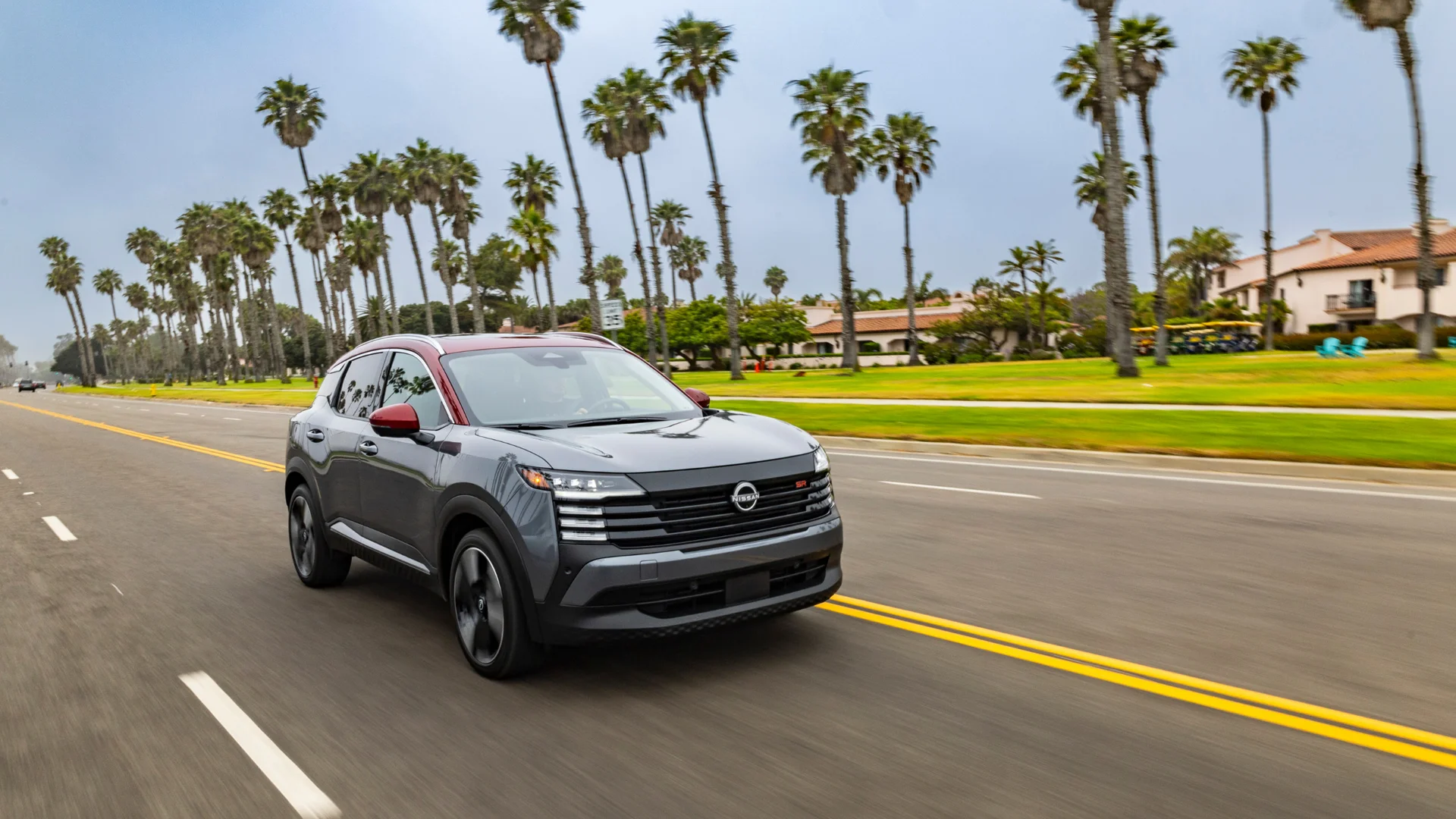
Choosing among the S, SV, and SR versions of the 2026 Nissan Kicks® near Newark, NJ, becomes easier when each trim is matched to the routines it needs to support. Every trim shares a five-passenger layout, a 2.0-liter four-cylinder engine, an Xtronic transmission, and core Nissan Safety Shield® 360 features. Those similarities allow buyers to concentrate on the equipment they may notice during weekday commutes, grocery runs, passenger trips, and changing New Jersey weather. Some drivers may prefer the straightforward configuration of the S, while others may benefit from the added convenience of the SV or the broader technology package of the SR.
Understanding the trims and everyday usability
The first stage of choosing a 2026 Nissan Kicks® trim should focus on daily habits rather than appearance alone. Although the S, SV, and SR share important fundamentals, their differences become clearer when buyers consider smartphone use, key access, parking visibility, and climate controls. Driving near Newark can involve crowded streets, short errands, highway commutes, and tight parking areas within the same week.
What does the 2026 Nissan Kicks® S include for everyday driving?
The 2026 Nissan Kicks® S provides a straightforward starting point for drivers who want the shared powertrain and core safety equipment without many additional cabin upgrades. It includes a 12.3-inch color touchscreen, two front USB-C ports, Bluetooth® streaming audio, SiriusXM®, Intelligent Cruise Control, and a RearView Monitor. Manual climate control, a six-way manually adjustable driver’s seat, and a four-way manually adjustable front passenger seat keep the main cabin functions familiar and easy to manage. Nissan Safety Shield® 360 includes Automatic Emergency Braking with Pedestrian and Cyclist Detection, Rear Automatic Braking, Lane Departure Warning, Blind Spot Warning, Rear Cross Traffic Alert, and High Beam Assist. The S also comes with cloth seating and 16-inch steel wheels with covers.
What practical upgrades come with the 2026 Nissan Kicks® SV?
The SV adds convenience features that can reduce small points of friction during a busy week. A wireless device charging pad, two rear USB-C ports, remote engine start, and Nissan Intelligent Key™ with approach unlock and walk-away lock support frequent arrivals and departures. Wireless Apple CarPlay® and wireless Android Auto™ reduce the need to connect a cable before accessing compatible smartphone features. The SV uses 17-inch steel wheels with covers as standard equipment, while 17-inch alloy wheels are optional. Roof rails, rear privacy glass, interior LED lighting, passenger seatback pockets, and body-color door handles further distinguish this middle trim. Front-Wheel Drive SV models also include an adjustable rear cargo floor, giving buyers another way to organize everyday loads.
When is the 2026 Nissan Kicks® SR the better trim choice?
The SR is likely to appeal to a buyer who expects to use upgraded cabin equipment, additional parking aids, and broader driver assistance technology regularly. It replaces the seven-inch color meter found in S and SV models with a 12.3-inch color meter. The trim also adds a six-speaker audio system, Automatic Temperature Control, a leather-wrapped steering wheel, and sport leatherette seating with red and black cloth inserts. An Intelligent Around View® Monitor with Moving Object Detection can provide additional visual information during low-speed maneuvering, while Front Parking Assist supports the driver in confined spaces. ProPILOT Assist, Lane Departure Prevention, Emergency Lane Keep Assist, Blind Spot Intervention, Traffic Sign Recognition, and Intersection Assist for oncoming traffic are also standard on the SR.
Comparing comfort, connectivity, and cargo flexibility
After establishing the basic trim differences, buyers can turn their attention to the cabin. A feature that appears minor on a comparison sheet may become important when it supports passengers, personal devices, or cold-weather travel several times each week. The 2026 Nissan Kicks® provides the same published passenger volume across the three trims, so the decision mainly concerns how that space is equipped. Cargo capacity and floor design can vary by trim and drivetrain, making the exact configuration relevant for shoppers carrying work bags, strollers, sports gear, or larger grocery loads.
Which 2026 Nissan Kicks® trim works well for passengers and connected devices?
The SV is a practical middle choice when passengers and connected devices regularly accompany the driver. It adds two rear USB-C ports to the two front USB-C ports included across the lineup, giving second-row occupants convenient access to charging connections. Passenger seatback pockets provide another place for small travel items, while rear privacy glass helps distinguish the passenger area from the S cabin. The SR retains these conveniences and adds a rear-seat armrest with two rear cupholders. Those additions may be especially useful for households that carry friends, coworkers, or family members often.
How do the available comfort packages affect the best trim choice?
Available packages can influence the trim decision when a buyer wants specific comfort features beyond the standard equipment. The Cold Weather Package is offered on SV and SR models and includes heated front seats, heated outside mirrors, and rear floor heater ducts. A heated steering wheel is also optional on the SV and SR, giving Newark area drivers another comfort feature to consider for colder mornings. The SV Premium Package adds a panoramic moonroof, illuminated driver and front passenger sun visors, and a sunglasses holder. The SR Premium Package includes a panoramic moonroof, Bose® 10-speaker audio, a heated steering wheel, and a front central seat-mounted airbag.
How much cargo flexibility does each 2026 Nissan Kicks® configuration provide?
Every 2026 Nissan Kicks® includes a 60/40 split fold-down second row, allowing the cabin to accommodate passengers and cargo in several combinations. The S with Front-Wheel Drive provides 30.0 cubic feet of cargo volume with the second row upright and 60.0 cubic feet with it folded. Front-Wheel Drive SV and SR models provide 29.2 cubic feet behind the second row and 58.5 cubic feet when those seats are folded. All-Wheel Drive versions provide 23.9 cubic feet with the second row upright and 50.1 cubic feet with it folded, reflecting the space required by the different drivetrain packaging. Front-Wheel Drive SV and SR models include an adjustable rear cargo floor, while All-Wheel Drive configurations use a fixed floor with an underfloor storage system.
Evaluating drivetrain, road manners, and routine care
Trim level and drivetrain are connected choices, but they address different ownership priorities. All three 2026 Nissan Kicks® trims are available with Front-Wheel Drive or All-Wheel Drive, allowing shoppers to select cabin equipment separately from the driven-wheel configuration. The basic engine and transmission specifications remain consistent across S, SV, and SR models. Certain chassis details change with the drivetrain, which may influence buyers thinking about seasonal travel, road conditions, and preferred driving feel. Routine ownership planning should also account for the wheels, tires, fuel requirements, and service needs of the selected configuration.
Should Newark area buyers choose Front-Wheel Drive or All-Wheel Drive?
Front-Wheel Drive may suit drivers whose routines center on maintained city streets, regular highway commuting, and a preference for the greatest published cargo volume. All-Wheel Drive may appeal to shoppers who want power sent through all four wheels and access to an additional Snow drive mode. The All-Wheel Drive configuration also uses a multilink rear suspension, while Front-Wheel Drive models have a twist-beam rear suspension. Both layouts include Normal, Eco, and Sport modes, an electric parking brake with auto hold, Hill Start Assist, four-wheel disc brakes, and 8.4 inches of minimum ground clearance.
Does trim choice change the engine or basic maintenance needs?
The S, SV, and SR use the same naturally aspirated 2.0-liter inline four-cylinder engine. It produces 141 horsepower and 140 pound-feet of torque, and every trim pairs it with an Xtronic transmission. Idle Stop/Start is standard, and the engine uses regular unleaded fuel. Moving from one trim to another therefore does not create a different engine maintenance path, although drivetrain, wheel size, tires, and optional equipment can affect individual service items. A direct-sensor Tire Pressure Monitoring System and Easy-Fill Tire Alert are standard throughout the lineup, helping owners monitor inflation as part of routine vehicle care. Drivers should follow the maintenance guidance for their exact vehicle and note that the lineup includes standard 16-inch and 17-inch wheel setups, along with an optional 19-inch wheel and tire package for the SR.
Making a long-term trim decision
The final stage of trim selection should connect equipment choices with the way the 2026 Nissan Kicks® may be used over time. A commuter who usually drives alone may prioritize different features from a household that frequently carries passengers or relies on flexible cargo space. Thinking beyond the initial test drive can reduce the chance of overlooking equipment that could become part of the daily routine. Reviewing standard features carefully can also prevent a buyer from moving to a higher trim for technology already included lower in the lineup.
Which 2026 Nissan Kicks® trim is best for a first-time crossover buyer?
The S can be a sensible starting point for a first-time crossover buyer because it includes the shared engine, five-passenger seating, core connectivity, Intelligent Cruise Control, and Nissan Safety Shield® 360. Its controls remain relatively straightforward, while the standard 12.3-inch touchscreen provides a large central display for infotainment functions. The SV may be a stronger fit when wireless smartphone integration, wireless charging, rear USB-C ports, remote engine start, and hands-free key access will be used frequently. The SR suits buyers who place greater value on upgraded seating materials, automatic climate control, enhanced parking views, and an expanded collection of driver assistance features. Each trim supports a different balance of simplicity, convenience, and technology.
What should shoppers compare during a 2026 Nissan Kicks® test drive?
Shoppers should begin by comparing seating comfort, outward visibility, control placement, and the ease of entering both rows. They can then examine the touchscreen, meter display, smartphone connection, climate controls, and available parking camera views in each trim. Driving Front-Wheel Drive and All-Wheel Drive versions can reveal differences in response and road feel that a comparison chart cannot fully communicate. Cargo floor height, underfloor storage, rear-seat folding, and lift-in access should also be evaluated with typical ownership needs in mind.
Visit our dealership, Empire Nissan of Hillside near Newark, NJ, to compare the 2026 Nissan Kicks® S, SV, and SR in the context of daily routes and passenger needs. Our team can explain the equipment included with each available configuration and clarify the practical differences between Front-Wheel Drive and All-Wheel Drive. Shoppers can inspect cargo arrangements, cabin technology, comfort features, and available packages in person. Schedule a visit for a test ride and drive to determine which 2026 Nissan Kicks® fits comfortably into everyday life.


