


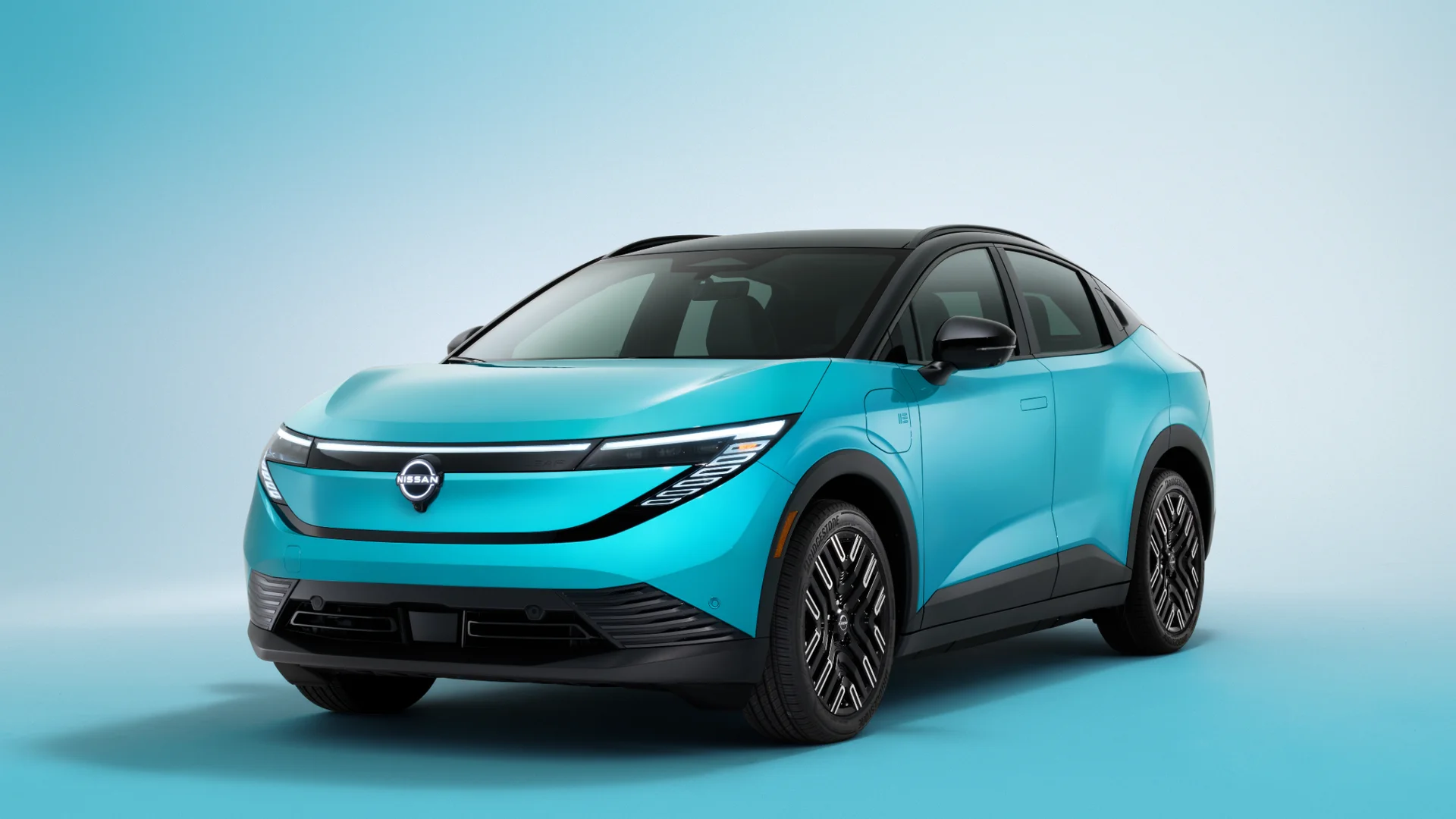
Choosing between the 2026 Nissan LEAF® and Hyundai Kona Electric begins with a simple look at daily routines. Both electric vehicles replace gasoline stops with charging sessions, deliver smooth power without traditional gear changes, and bring a quiet character to familiar roads near Newark, New Jersey. Their personalities, however, point in different directions. The redesigned 2026 Nissan LEAF® takes a streamlined approach to electric mobility, with generous driving range, broad charging compatibility, and practical features intended to simplify ownership. The Hyundai Kona Electric follows a more upright small-SUV formula that may appeal to drivers who prefer conventional crossover proportions and a familiar cabin environment.
Two Electric Paths Through Daily Life
Daily usability determines how naturally an electric vehicle fits an established routine. Newark-area drivers may encounter crowded local streets, highway merges, tight parking areas, and unpredictable traffic during the same trip. Both vehicles answer those conditions with quiet electric propulsion and immediate response from a stop. The 2026 Nissan LEAF® places particular emphasis on efficiency, range, and accessible technology within a compact footprint. The Hyundai Kona Electric counters with the upright seating position and familiar proportions associated with a small crossover.
The 2026 Nissan LEAF® Makes Electric Driving Feel Natural
The 2026 Nissan LEAF® adopts a sleek crossover-style design while preserving the approachable personality associated with the nameplate. Its quiet operation can make early departures feel calmer, especially before traffic thickens around Newark and nearby communities. Pressing the accelerator produces smooth, immediate movement without waiting for an engine to build speed or a transmission to select a lower gear. That responsiveness can feel reassuring when joining Route 22, entering the Garden State Parkway, or moving into an opening in city traffic. Vehicle-speed-sensitive electric power steering adjusts its assistance according to driving conditions, supporting easy maneuvering at lower speeds and a settled feeling as the pace increases. A 35.4-foot turning diameter also helps the 2026 Nissan LEAF® remain manageable in parking structures and compact neighborhood spaces.
Available driving range supports the 2026 Nissan LEAF® as a primary household vehicle instead of limiting it to short local trips. Nissan estimates up to 303 miles of range for the S+ trim, while the SV+ offers an estimated 288 miles and the PLAT+ provides an estimated 259 miles. Those figures give owners room to combine commuting, school pickups, shopping, and evening plans before returning home to charge. Range can still change with traffic, temperature, climate-control use, and driving habits, making thoughtful trip planning valuable during colder New Jersey months. Even with those variables, the available distance can reduce the mental calculations sometimes associated with an electric vehicle that has a smaller battery.
The Hyundai Kona Electric Feels Familiar
The Hyundai Kona Electric takes a recognizable small-SUV shape and pairs it with quiet electric motivation. Its upright profile may appeal to drivers who enjoy sitting higher and having a clear sense of the vehicle’s position in busy surroundings. That seating perspective can be useful when moving among delivery trucks, buses, and closely spaced traffic near Newark. The body style also feels familiar to shoppers moving into an electric vehicle for the first time. Passenger access, cabin organization, and cargo use follow patterns that many crossover owners already understand.
That conventional crossover character gives the Hyundai Kona Electric a different emotional appeal from the smoother and more streamlined 2026 Nissan LEAF®. Drivers who enjoy a slightly taller stance may naturally gravitate toward the Hyundai before comparing individual features. The Hyundai Kona Electric can feel comfortable during grocery runs, neighborhood errands, and short recreational trips that call for a flexible rear cargo area. Its compact exterior also remains useful in areas where larger SUVs can become cumbersome. The resulting experience combines the easy maneuverability of a small vehicle with some of the visual presence associated with an SUV.
Charging That Fits Real Schedules
Charging convenience depends on much more than a battery figure. Owners must consider the equipment available at home, the public connectors found along common routes, and the time required during a longer stop. A suitable setup turns charging into a background routine that happens during dinner, work, or sleep. An inconvenient arrangement can make the same vehicle feel demanding even when its projected range appears sufficient. The 2026 Nissan LEAF® addresses this ownership concern through flexible connection options and useful energy features. The Hyundai Kona Electric offers an established charging experience, but its approach asks buyers to consider the stations they expect to use most frequently.
The 2026 Nissan LEAF® Expands Charging Possibilities
The 2026 Nissan LEAF® includes both a J1772 charging port and a North American Charging Standard port. Having both connections built into the vehicle can simplify the search for compatible equipment during daily travel. The J1772 port supports common home and public AC charging, while the NACS connection expands access to a growing fast-charging network. Plug and Charge capability can further streamline compatible public sessions by reducing the number of separate steps needed to begin charging. Nissan estimates that a quick-charge session can take the battery from 10 percent to 80 percent in approximately 35 minutes under suitable conditions.
A portable 120-volt and 240-volt charging cable also comes standard, giving owners flexibility as they develop a home-charging routine. A 240-volt connection will generally support regular overnight replenishment more effectively than a standard household outlet. The household connection can still provide a useful alternative when faster equipment is unavailable. Charging timers allow the owner to select a preferred charging period, helping the vehicle draw power during a convenient part of the night.
Stored Energy Supports More Activities
The 2026 Nissan LEAF® can also send power outward through its 1,500-watt vehicle-to-load capability. An adapter is required when using the exterior J1772 port, while the PLAT+ includes a vehicle-to-load outlet in the cargo area. This feature can power compatible equipment during a picnic, outdoor gathering, work session, or household interruption. It turns stored battery energy into a practical resource instead of reserving it entirely for transportation. Owners could use it for small electronics, lighting, or other devices that remain within the system’s output limits.
The Hyundai Kona Electric still offers the central convenience of electric ownership, particularly for drivers who can charge at home and begin most mornings with useful battery range. Its established electric-crossover format can work well for predictable commutes and regular local travel. Public charging speed and connector compatibility remain important considerations before making a decision, especially for households that expect to charge frequently away from home. Buyers should map stations near work, shopping destinations, and common weekend routes instead of relying only on a general coverage map. That simple exercise can reveal which vehicle better matches the places an owner actually visits.
Comfort And Space Shape Every Mile
A vehicle’s usefulness becomes clearest when passengers, bags, and daily clutter enter the picture. Compact electric vehicles need enough room for routine needs without becoming difficult to place in traffic or parking spaces. Seat comfort matters during a long commute, but convenient storage and easy cargo access influence every short trip. Climate features also deserve attention because New Jersey weather can shift from humid summer afternoons to cold winter mornings. The 2026 Nissan LEAF® and Hyundai Kona Electric approach these needs through different body shapes and cabin personalities. One feels sleek and technology-led, while the other follows the established expectations of a small SUV.
Flexible Space Adapts To Changing Plans
The 2026 Nissan LEAF® seats five people and includes 60/40-split folding rear seats across the lineup. It provides 20 cubic feet of cargo volume with the second row upright and 55.5 cubic feet when that row is folded. Those measurements translate into useful flexibility for grocery bags, luggage, sports equipment, and larger purchases. The Divide-N-Hide® Cargo System on SV+ and PLAT+ trims helps owners organize smaller items and adapt the cargo floor to different loads. A manual liftgate serves the S+ and SV+, while the PLAT+ adds a motion-activated power liftgate. That top-trim convenience can feel especially useful when both hands are occupied with bags.
The Hyundai Kona Electric’s upright rear profile may appeal to people who frequently carry taller objects or prefer the visual openness of a conventional crossover cargo area. Its shape can make loading feel familiar to shoppers coming from another compact SUV. The 2026 Nissan LEAF®, however, combines practical utility with a flowing exterior that avoids the appearance of a traditional box-shaped crossover. Choosing between them involves more than comparing cargo measurements.
Cabin Technology Supports The Routine
The 2026 Nissan LEAF® S+ uses a 12.3-inch NissanConnect® touchscreen and a matching 12.3-inch Advanced Drive-Assist® Display. SV+ and PLAT+ trims increase both displays to 14.3 inches, creating a broad digital environment that keeps driving and media information easy to scan. Wireless Apple CarPlay® and wireless Android Auto™ come standard, allowing compatible smartphones to connect without adding a cable to the center console. SV+ and PLAT+ models also include Google Assistant, Google Maps, Google Play, and connected navigation features. These systems can reduce friction when selecting music, finding a destination, or checking the remaining trip. The PLAT+ adds a head-up display that places selected information closer to the driver’s normal line of sight.
Comfort equipment expands as shoppers move through the 2026 Nissan LEAF® range. Automatic climate control with rear foot ducting comes standard, while the SV+ and PLAT+ add a heat-pump-based hybrid heater and rear air vents. Heated front seats are included on those two trims, and the PLAT+ adds heated rear seats and a heated steering wheel. The Hyundai Kona Electric may attract drivers who prioritize an upright cabin and traditional crossover visibility, while the 2026 Nissan LEAF® offers a layered technology and comfort experience. Sitting in both vehicles remains important because seat height, sightlines, display placement, and control reach are personal considerations.
Confidence Begins With The Right Fit
The final decision should reflect the situations an owner encounters most often. Commuters need predictable range and an easy charging routine, while active households may place greater value on cargo access and passenger comfort. Drivers who regularly travel beyond Newark may care deeply about connector availability and quick-charge timing. Others may spend nearly all their time close to home and prefer the higher seating perspective of a conventional small SUV. The 2026 Nissan LEAF® and Hyundai Kona Electric both make electric mobility approachable, but they emphasize different kinds of confidence. The stronger choice emerges when the vehicle’s character matches the buyer’s actual habits.
Driver Assistance Eases Busy Travel
The 2026 Nissan LEAF® includes ProPILOT Assist across all three trims. This technology can support the driver with steering and speed assistance during suitable road conditions, while the driver remains responsible for attention and vehicle control. Standard Lane Departure Warning, Lane Departure Prevention, Lane Keep Assist, Blind Spot Warning, and Blind Spot Intervention can provide additional support in dense traffic. Predictive Forward Collision Warning and Automatic Emergency Braking with Pedestrian and Cyclist Detection address hazards that may develop ahead. Rear Cross Traffic Alert can assist when backing out of a crowded parking space. A 3D Intelligent Around View® Monitor, Front Wide View, and Intelligent Hood View further support close-range awareness.
Slow traffic may demand patience and careful lane positioning, while highway travel requires steady attention to surrounding vehicles. Parking lots add pedestrians, carts, and vehicles emerging from obscured spaces. Driver-assistance systems cannot replace observation or sound judgment, but they can provide helpful information during these demanding moments. The Hyundai Kona Electric also competes as a technology-focused electric crossover, so shoppers should compare equipment at the specific trim level they are considering.
Different Personalities Suit Different Owners
The 2026 Nissan LEAF® fits drivers who want strong available range, broad charging compatibility, a streamlined shape, and technology that supports daily travel. Its estimated range of up to 303 miles in S+ form gives it particular relevance for commuters who want breathing room between charging sessions. The available 214-horsepower electric powertrain with 261 pound-feet of torque delivers responsive acceleration without making performance the sole focus of ownership. Practical cargo capacity, five-passenger seating, and vehicle-to-load capability help the 2026 Nissan LEAF® handle duties beyond the commute. Its design feels progressive, yet the controls and ownership features remain approachable.
The Hyundai Kona Electric suits a buyer drawn to upright crossover styling and a familiar small-SUV environment. It may feel immediately comfortable to someone who values a higher visual perspective and recognizable proportions. Its compact dimensions support urban use, while the rear area accommodates the everyday cargo expected from a small crossover. The deciding difference may come down to the 2026 Nissan LEAF® model’s greater emphasis on charging flexibility, available range, and energy-sharing capability. A careful shopper should bring common passengers and frequently carried items into the comparison process.
Drivers ready to experience the 2026 Nissan LEAF® can visit our team at Empire Nissan of Hillside near Newark, NJ. Our team can help shoppers compare the available trims, examine the cabin technology, and consider how charging could fit their normal routine. Seeing the 2026 Nissan LEAF® in person also provides a clearer sense of its seating position, cargo flexibility, visibility, and streamlined design. Schedule a test drive to experience its smooth response and quiet road manners in familiar driving conditions. Our dealership welcomes buyers seeking a thoughtful and pressure-free introduction to everyday electric mobility.
Check our Research Page for more information


