


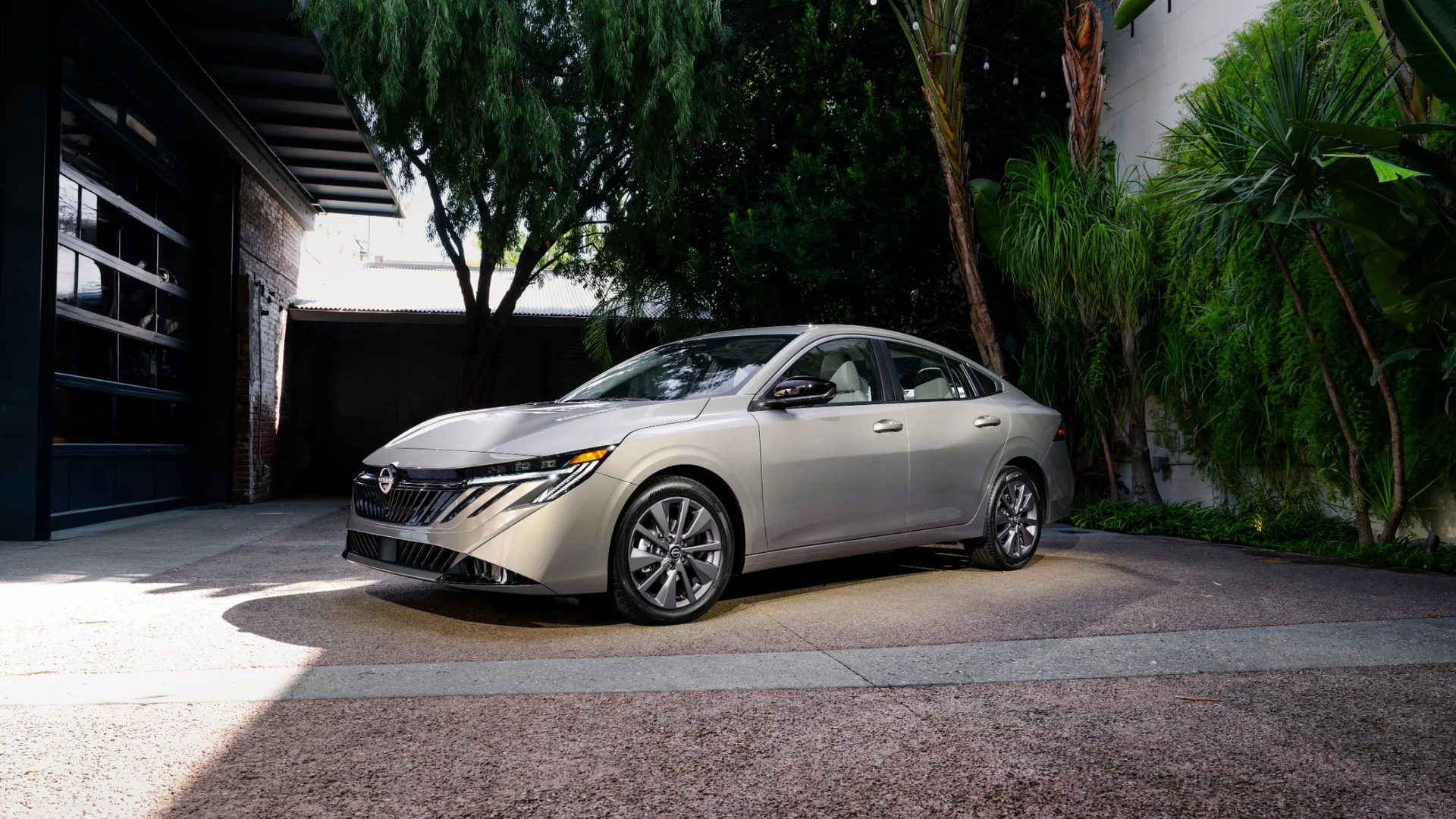
Choosing a compact sedan often comes down to the small moments repeated every day. Drivers near Newark, NJ, need a vehicle that feels comfortable in traffic, fits crowded streets, and handles highway travel without creating extra strain. The 2025 Nissan Sentra® and Toyota Corolla approach that assignment with practical proportions, familiar controls, and an emphasis on everyday transportation. Their similar missions make the decision highly personal because the stronger fit depends on cabin comfort, driving feel, and daily routines. The 2025 Nissan Sentra® places particular emphasis on passenger space, accessible technology, and standard driver-assistance features that can ease demanding commutes.
Daily Miles Shape The Decision
Compact sedans earn their place by making routine travel feel manageable. A weekday might begin with a drive through Hillside, continue through busy Newark intersections, and finish with errands that require careful parking. Both the 2025 Nissan Sentra® and Toyota Corolla suit this varied schedule with familiar sedan proportions and approachable road manners. Their differences become clearer after considering how the driver settles into the seat, how naturally each car responds, and how much effort each trip requires. Someone who spends an hour commuting may have different priorities from a driver who mainly handles short neighborhood journeys.
Calm Power For Crowded Roads
The 2025 Nissan Sentra® uses a 2.0-liter four-cylinder engine that produces 149 horsepower and 146 pound-feet of torque. Those figures translate into measured, predictable acceleration instead of an overly sharp response that could become tiring in stop-and-go traffic. Its Xtronic transmission manages power without asking the driver to think about gear changes during a crowded commute. The Front-Wheel Drive layout also provides a familiar experience for motorists traveling on paved roads through changing New Jersey conditions. Idle Stop and Start can switch off the engine during certain stops, supporting efficient operation on routes filled with traffic lights.
The Toyota Corolla approaches the same assignment with the easygoing character expected from a compact commuter. Many shoppers consider it because its size and sedan layout suit work trips, school runs, errands, and weekend travel. During a test drive, the most useful comparisons involve throttle response, road noise, steering effort, and low-speed behavior. Specifications can describe output, but they cannot fully communicate how smoothly a car leaves a traffic light or enters a fast-moving lane. Drivers should also notice how quickly they become comfortable judging the corners and maintaining a steady pace.
Efficiency That Supports Busy Weeks
Fuel economy matters because compact sedans often accumulate miles through obligations rather than memorable road trips. The 2025 Nissan Sentra® S and SV have EPA estimates of 30 mpg in the city, 40 mpg on the highway, and 34 mpg combined. The 2025 Nissan Sentra® SR has estimates of 30 mpg in the city, 38 mpg on the highway, and 33 mpg combined. In practical terms, those ratings support commuting, grocery runs, school pickups, and trips across North Jersey without turning every outing into a fuel-planning exercise. A 12.4-gallon fuel tank provides useful capacity for weeks that combine local streets with longer highway journeys.
The Toyota Corolla belongs in this conversation because it also serves drivers seeking efficient daily transportation. Still, fuel use should be considered alongside the complete ownership routine instead of becoming the only deciding factor. A driver who regularly carries passengers may place greater importance on rear-seat comfort, while a solo commuter may prioritize highway behavior and control placement. Traffic conditions, trip length, weather, and driving habits also influence the efficiency experienced outside standardized testing. Comparing both cars on a familiar route can show how naturally each encourages smooth acceleration and steady cruising.
Disclaimer: *2026 EPA Fuel Economy Estimates. 30 City MPG / 38 Highway MPG / and 33 Combined MPG for Sentra® S and SV. 29 City MPG / 36 Highway MPG / and 32 Combined MPG for Sentra SR and SL. Actual mileage may vary with driving conditions. Use for comparison only.
Comfort Settles Into The Routine
A commuter car becomes a personal space between home, work, appointments, and evening plans. Seat position, outward visibility, climate control, and storage can affect the driver’s mood before the destination appears. The 2025 Nissan Sentra® and Toyota Corolla both fit shoppers who prefer the lower seating position and tidy profile of a traditional sedan. Similar exterior formats, however, can create noticeably different experiences once passengers settle inside. Buyers should consider how the front seat feels after forty minutes in traffic, not only during a brief showroom visit.
Space That Welcomes Daily Passengers
The 2025 Nissan Sentra® offers seating for five and provides 96.1 cubic feet of passenger volume. Front occupants receive 43.8 inches of legroom, giving the driver and passenger useful space to establish relaxed seating positions. Rear legroom measures 34.9 inches, which matters when coworkers, teenagers, relatives, or friends frequently occupy the second row. The rear seat has a 60/40-split fold-down design, allowing the passenger compartment and trunk to work together when cargo has an awkward shape.
The Toyota Corolla remains a sensible alternative for shoppers who want compact exterior dimensions and a conventional four-door cabin. A side-by-side evaluation offers the clearest way to judge passenger comfort because body proportions and seating preferences vary among drivers. Taller shoppers should set each front seat naturally before checking the room left for rear passengers. Families may also want to examine door openings, child-seat access, and the ease of reaching items placed on the rear floor. Even cupholder placement and small storage areas can become important after months of commuting.
Small Conveniences Reduce Daily Friction
Every 2025 Nissan Sentra® includes power windows, power door locks, Remote Keyless Entry, Push Button Ignition, a sliding center armrest, front door pockets, and a RearView Monitor. These features address small actions repeated so frequently that even a minor inconvenience becomes noticeable. The 2025 Nissan Sentra® SV and SR add Nissan Intelligent Key™ functionality, helping simplify entry when the key stays inside a pocket or bag. Available heated front seats, a heated steering wheel, heated exterior mirrors, and remote engine start can bring welcome comfort during colder New Jersey mornings. Dual Zone Automatic Temperature Control is available on the SV and standard on the SR, giving front occupants greater control over their preferred settings.
The Toyota Corolla should be evaluated through the same practical lens because trim selection can meaningfully change the cabin experience. A feature that seems optional during mild weather may feel considerably more valuable after several cold morning commutes. Drivers should compare the reach and logic of frequently used controls, including climate settings, audio functions, and steering-wheel switches. They should also pay attention to visibility when leaving a driveway or entering a street lined with parked vehicles.
Technology Keeps The Commute Connected
Useful cabin technology should make information easier to reach without dominating the drive. Compact-sedan shoppers often want straightforward smartphone integration, clear displays, and convenient charging access for the devices organizing their schedules. Both the 2025 Nissan Sentra® and Toyota Corolla recognize that modern commuting often includes navigation, calls, podcasts, and carefully chosen playlists. The important distinction lies in how naturally those functions fit into the driver’s established routine. Screen size alone does not determine usability because menu design, physical controls, and display placement also shape the experience.
Familiar Connections Keep Life Moving
Apple CarPlay® and Android Auto™ are standard across the 2025 Nissan Sentra® lineup. The 2025 Nissan Sentra® S uses a 7-inch color touch-screen display, while SV and SR models provide an 8-inch display. Bluetooth® hands-free phone capability, streaming audio, a 12-volt power outlet, and steering-wheel audio switches further support familiar cabin routines. The S provides one front USB Type A connection, while SV and SR models include front Type A and Type C ports plus a rear charge-only Type A port. Those connections can keep a phone powered during navigation while giving another occupant access to a separate charging point.
Toyota Corolla shoppers should complete the same phone-connection exercise before deciding. A system may look polished while the vehicle remains parked, yet its real test comes when the driver needs directions or an audio adjustment in traffic. Screen response, voice-command behavior, and physical-button placement can affect how confidently the technology works while the car is moving. Drivers who regularly carry passengers should also consider charging access beyond the front row. Music listeners may want to compare sound quality at city and highway speeds because surrounding noise can influence the listening experience.
Driver Assistance Adds Everyday Awareness
The 2025 Nissan Sentra® includes a broad collection of standard driver-assistance systems across the S, SV, and SR trims. Automatic Emergency Braking with Pedestrian Detection, Intelligent Forward Collision Warning, Blind Spot Warning, Rear Cross Traffic Alert, Rear Automatic Braking, and Lane Departure Warning are all standard. These systems do not replace attentive driving, but they can provide additional information when traffic patterns change quickly. Blind Spot Warning can assist on multi-lane roads, while Rear Cross Traffic Alert can help when backing from a space with limited side visibility. Lane Departure Warning uses haptic steering-wheel feedback, communicating through touch rather than relying solely on another cabin sound.
A comparison with the Toyota Corolla should include close attention to the assistance features provided by the specific model under consideration. Drivers should notice how warnings appear, how easily settings can be understood, and how naturally the technology blends into normal travel. Some motorists prefer prominent alerts, while others respond better to subtler feedback that preserves a calmer cabin atmosphere. Parking exercises can also reveal how camera views, mirrors, and rearward visibility work together.
Ownership Fits Different Personalities
The final decision between the 2025 Nissan Sentra® and Toyota Corolla involves factors beyond commuting statistics. Each vehicle becomes part of the owner’s driveway, weekend plans, passenger routine, and personal sense of style. Some buyers want the simplest path to comfortable transportation, while others care deeply about wheel design, interior materials, lighting, and trim-specific details. The 2025 Nissan Sentra® lineup offers several distinct personalities without abandoning its practical compact-sedan foundation. The Toyota Corolla presents another interpretation of the same daily mission, making it a relevant consideration for careful shoppers.
2025 Nissan Sentra® Trims Match Different Priorities
The 2025 Nissan Sentra® S establishes the foundation with 16-inch wheels, a 7-inch touch-screen display, smartphone integration, and the complete group of standard driver-assistance features. The SV adds convenience through 16-inch aluminum-alloy wheels, an 8-inch touch-screen display, Intelligent Cruise Control, and Nissan Intelligent Key™. Available SV equipment can add heated features, upgraded seating appointments, a moonroof, an Intelligent Around View® Monitor, and a Bose® Premium Audio System. The SR introduces a sportier visual character with 18-inch aluminum-alloy wheels, LED headlights, lower body side-sill extensions, a rear spoiler, and red badging. It also includes heated front seats, Dual Zone Automatic Temperature Control, remote engine start, and sport cloth with orange stitching.
The Toyota Corolla may suit drivers who prefer its design language, cabin arrangement, and road feel. That preference matters because a vehicle used daily should create a sense of ease before the trip begins. Shoppers should sit in both cars, adjust every commonly used control, check each mirror, and drive beyond a quiet side street. A brief highway segment can reveal noise levels and lane stability, while an urban route can expose steering effort and low-speed response.
The Stronger Fit Reveals Itself
The 2025 Nissan Sentra® makes a compelling case for commuters who value generous front legroom, useful cargo flexibility, approachable connectivity, and standard driver-assistance technologies. Its 14.3-cubic-foot trunk supports grocery runs, luggage, work equipment, and the ordinary cargo gathered during a full week. Available comfort features help prepare the cabin for colder mornings, while three trim levels accommodate different ownership priorities. The Toyota Corolla remains a natural comparison for drivers seeking another familiar compact sedan with a practical daily focus.
Drivers ready to experience the 2025 Nissan Sentra® can visit our team at Empire Nissan of Hillside near Newark, NJ. We can help shoppers compare 2025 Nissan Sentra® trims and identify the equipment that supports their commuting habits, passenger needs, and weekend plans. A test drive provides time to assess the seating position, try the connectivity features, and experience the 2025 Nissan Sentra® on the road. Visitors can also examine the cabin and trunk in person before deciding how well the sedan fits their routine. Schedule a test drive at our location and see how naturally the 2025 Nissan Sentra® can handle the daily miles ahead.
Check our Research Page for more information


